

TL;DR
Listen free for 30 days with Audible
Thousands of audiobooks and originals — cancel anytime.
As an affiliate, we earn on qualifying purchases.
The World Economic Forum released a report outlining how human and AI roles will evolve in the workplace. The focus is on collaboration, new skills, and reshaping job structures. Uncertainties remain about implementation timelines and specific sector impacts.
The World Economic Forum has released a comprehensive report outlining the future of work, emphasizing the need to redefine roles for humans and artificial intelligence to foster collaboration and productivity.
The report states that as AI technologies become more integrated into workplaces, roles will shift toward complementary tasks where humans focus on creativity, emotional intelligence, and complex decision-making. AI will handle routine and data-driven tasks, freeing humans for strategic and interpersonal functions. The report highlights that successful adaptation will require significant reskilling initiatives and new policy frameworks to support workforce transition. It also notes that sectors such as healthcare, finance, and manufacturing are already beginning to implement these changes, though the pace varies globally.
Why Redefining Human-AI Collaboration Is Crucial
This development matters because it signals a fundamental shift in employment structures and skill requirements. As AI takes over routine tasks, workers will need new competencies, and organizations must adapt to maintain competitiveness. Policymakers and educators are urged to prioritize reskilling programs to prevent job displacement and ensure inclusive growth. The report underscores that proactive planning now can mitigate economic disruptions and foster innovation across industries.
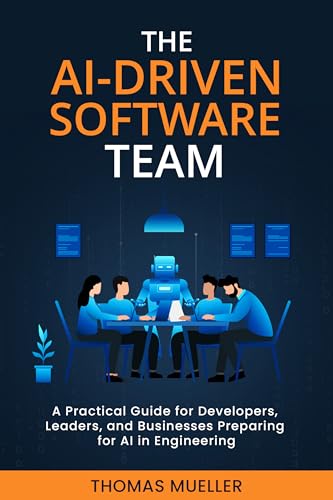
The AI-Driven Software Team: A Practical Guide for Developers, Leaders, and Businesses Preparing for AI in Engineering
As an affiliate, we earn on qualifying purchases.
As an affiliate, we earn on qualifying purchases.
Background on AI’s Growing Workplace Role
Over the past decade, AI has advanced rapidly, with applications expanding into various sectors. Earlier efforts focused on automation of specific tasks, but recent developments emphasize AI-human collaboration. The World Economic Forum has been tracking these trends, noting that many companies are experimenting with hybrid work models combining AI tools and human expertise. The current report builds on previous forecasts predicting widespread role transformation by 2030, but emphasizes the need for clear frameworks to guide this transition.
“The future of work is not about replacing humans but augmenting their capabilities through AI, creating new roles that leverage uniquely human skills.”
— Dr. Clara Lee, WEF Expert on Future of Work
reskilling online courses for future of work
As an affiliate, we earn on qualifying purchases.
As an affiliate, we earn on qualifying purchases.
Unclear Aspects of AI Integration and Workforce Transition
It remains uncertain how quickly different sectors will adopt these new role definitions, and what specific policies will be most effective in supporting workers. The timeline for widespread implementation is still developing, and there are questions about how different regions with varying resources will manage the transition. Additionally, the impact on employment levels and job quality remains a subject of ongoing debate among experts.

AI-Powered Safety: Streamlined EHS Operations for Managers
As an affiliate, we earn on qualifying purchases.
As an affiliate, we earn on qualifying purchases.
Next Steps for Policymakers and Businesses in Shaping the Future of Work
Organizations are expected to begin implementing targeted reskilling programs aligned with the report’s recommendations. Policymakers may introduce new regulations and incentives to support workforce adaptation. Industry leaders will likely pilot collaborative AI-human models, with broader adoption contingent on early success and policy support. Continued research and dialogue are planned to refine strategies and address emerging challenges.

Pack Your Bags for an AI-Driven Future: Artificial Intelligence in Education
As an affiliate, we earn on qualifying purchases.
As an affiliate, we earn on qualifying purchases.
Key Questions
How will AI change specific job roles?
AI is expected to automate routine tasks, allowing humans to focus on strategic, creative, and interpersonal functions. For example, in healthcare, AI could handle diagnostics, freeing doctors for patient care and complex decision-making.
What skills will be most valuable in the future workplace?
Skills such as emotional intelligence, creativity, strategic thinking, and digital literacy will become increasingly important as routine tasks become automated.
Will AI lead to job losses?
The report emphasizes that while some roles may diminish, new roles will emerge. Success depends on effective reskilling and policy support to manage transitions.
How soon will these changes take place?
Implementation timelines vary by sector and region, with some industries already adopting new models. Widespread transformation is projected to accelerate over the next decade.
What role should governments play in this transition?
Governments should facilitate reskilling initiatives, create supportive policies, and foster collaboration between industry and education sectors to prepare workers for evolving roles.
Source: google-trends
Atlantic Hurricane Season Peak Picks
hurricane prep
As an affiliate, we earn on qualifying purchases.