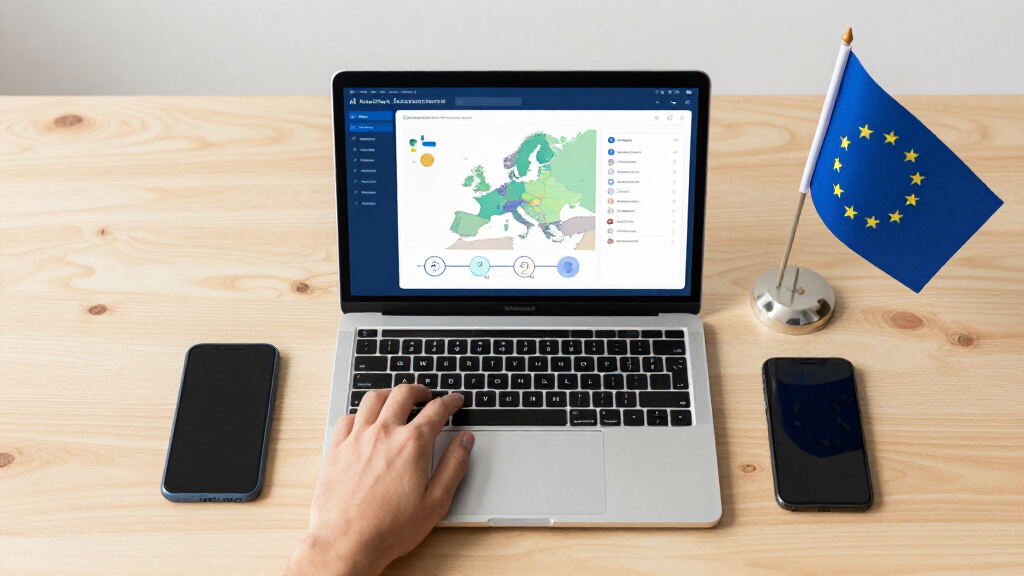
The EU delays high-risk AI regulations but maintains transparency rules, affecting compliance timelines and enforcement strategies.
Browsing Category
EU Digital Trust & Compliance
30 posts
Mistral’s $14 Billion Drive: Building Europe’s AI Independence From The Ground Up
Mistral raises over $3.5 billion at a $20B+ valuation to build Europe’s independent AI infrastructure and models, challenging US dominance.
Reevaluating August 2: AI’s Actual Achievements
A detailed analysis of the EU AI Act’s revised timelines, what obligations remain, and what has actually changed since the initial August 2, 2026 deadline.
Technology Operations Signal Monitor: ‘VPNs Are Lawful Technical Tools,’ Says EU Court In Landmark Copyright Ruling
The EU Court affirms that VPNs are lawful technical tools, marking a significant legal clarification for technology operations and privacy protections.
The Wrong Test: “Not American” Is Not A Sovereignty Standard
European reliance on ‘not American’ as a sovereignty marker overlooks complex legal and jurisdictional realities, especially regarding Canadian data laws.
Signal: Three Gates Close In Nineteen Days — The Pre-Release Regime Goes Global
China, the EU, and the US are enacting new AI pre-release regimes within three weeks, shaping global AI deployment standards and compliance layers.
The Reality Behind AI Sovereignty Certifications And The 24% Rule
An in-depth analysis of the European sovereignty test for cloud providers, focusing on the 24% ownership rule and its implications for AI and data security.
Canada’s AI Industry: The Key To Europe’s Sovereign AI Success
Cohere’s acquisition of Aleph Alpha, backed by Canada and Germany, raises questions about European AI sovereignty amid global industry shifts.
Pesticide-residue Compliance Monitor For Food Importers
A new compliance monitoring tool helps food importers track pesticide residues across suppliers, ensuring adherence to evolving MRL standards.
Wikipedia Escapes Category 1 Designation Under The UK Online Safety Act For Now
Wikipedia has temporarily avoided being classified as Category 1 under the UK Online Safety Act, pending further review. The development impacts content moderation obligations.