
TL;DR

Get business pricing on tech for your team
- Business-only prices and quantity discounts
- Tax-exempt purchasing
- Multiple users, one account, clear invoices
OpenAI CEO Sam Altman has publicly warned that the current rapid expansion of AI compute infrastructure is unsustainable. His comments highlight concerns over industry growth and resource use, though details remain unconfirmed.
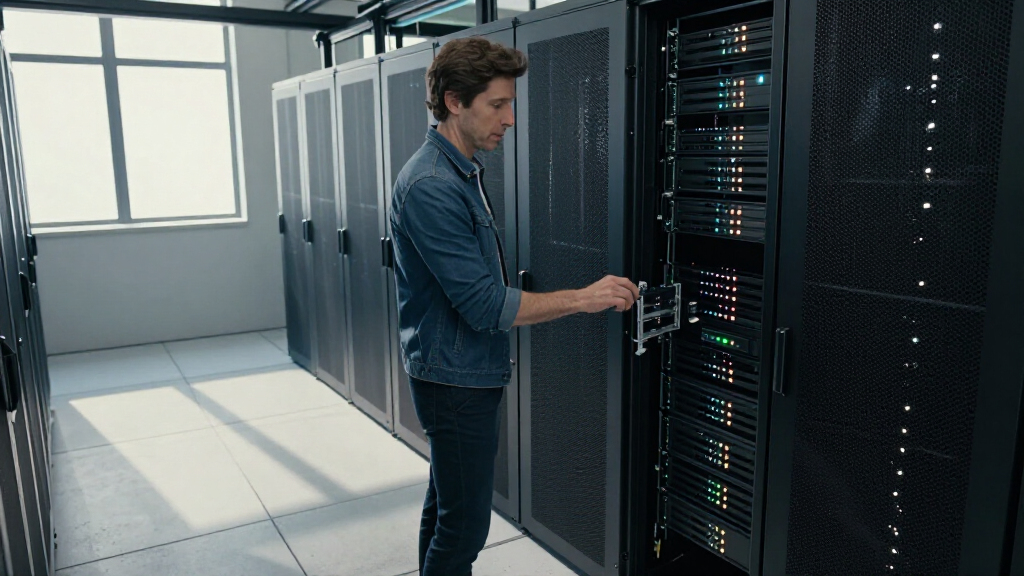
OpenAI CEO Sam Altman has warned that the rapid expansion of AI compute infrastructure is approaching an unsustainable level, raising concerns about long-term industry stability. His comments come amid increasing industry investment in large-scale AI models, sparking debate about resource use and growth limits.
Altman’s warning was publicly expressed during recent industry events and discussions, where he emphasized that the current pace of compute buildout may lead to resource shortages and financial strain on AI companies. He described the situation as involving ‘silliness’, implying that the rapid growth is not sustainable without significant risks.
While the exact context of his remarks remains unclear, the comments reflect broader industry concerns about the environmental impact, rising costs, and the scalability of AI infrastructure. Industry insiders note that the demand for compute power has skyrocketed over the past few years, driven by the development of ever larger models and the race for AI dominance.
Officially, there are no new policies or regulations announced; Altman’s statements appear to be a candid warning rather than a formal industry directive. Experts suggest that his comments could influence future investment strategies and industry priorities, especially regarding resource management and sustainable growth practices.
Implications for AI Industry Stability and Sustainability
Altman’s warning underscores potential risks of unchecked growth in AI infrastructure, including resource depletion, environmental impact, and financial instability. If industry leaders do not address these concerns, the long-term viability of AI development could be threatened, affecting innovation, market stability, and regulatory approaches. His comments serve as a call for more sustainable practices within the AI community, highlighting the need for balanced growth strategies that consider environmental and economic factors.AI compute infrastructure hardware
As an affiliate, we earn on qualifying purchases.
As an affiliate, we earn on qualifying purchases.
Rapid Growth in AI Compute Infrastructure Sparks Industry Concerns
The AI industry has experienced exponential growth in compute demand over the past few years, driven by the development of larger models like GPT-4 and other advanced architectures. Major tech firms and research labs have invested heavily in expanding their infrastructure, often competing to build the most powerful systems.
This surge has raised questions about the environmental impact of massive data centers, the high costs associated with scaling AI models, and the long-term sustainability of current growth trajectories. Industry analysts have noted that the compute required for state-of-the-art models has increased several-fold, with some estimates suggesting the energy consumption of training large models is comparable to small countries.
While some have called for more sustainable AI practices, there has been little consensus on how to curb the rapid expansion without hindering innovation. Altman’s recent comments are seen as a rare public acknowledgment of these concerns from a leading industry figure, highlighting the tension between growth and sustainability.
It remains unclear whether this warning will influence policy changes or industry standards, or if it will remain a cautious remark amid ongoing competition for AI supremacy.
energy-efficient data center cooling systems
As an affiliate, we earn on qualifying purchases.
As an affiliate, we earn on qualifying purchases.
Details of Altman’s Specific Concerns and Industry Response Unclear
It is not yet clear whether Altman’s warning is part of a broader strategic shift or a cautionary statement aimed at prompting industry self-regulation. The exact scope of his concerns—whether they focus on environmental sustainability, financial viability, or both—is still unspecified. Furthermore, the industry response remains uncertain, with no formal policies or initiatives announced in direct response to his comments.
Additionally, the timing and potential impact of any regulatory or industry-led measures are still unknown, as discussions are likely ongoing behind closed doors.
high-performance GPU servers for AI
As an affiliate, we earn on qualifying purchases.
As an affiliate, we earn on qualifying purchases.
Potential Industry and Policy Responses to Sustainability Concerns
Industry leaders and policymakers are expected to monitor these comments closely, potentially leading to new initiatives aimed at sustainable AI infrastructure development. Future steps could include increased investments in energy-efficient hardware, regulatory discussions on data center emissions, or industry standards for responsible growth.
Altman’s comments may also prompt more public dialogue about balancing AI innovation with environmental and economic sustainability, possibly influencing future research priorities and funding strategies. The next key milestone will likely be industry conferences or policy meetings where these issues are formally addressed.
In the near term, companies may begin to reevaluate their infrastructure expansion plans, and researchers might prioritize developing more energy-efficient AI models and training methods.
As an affiliate, we earn on qualifying purchases.
Key Questions
What exactly did Sam Altman say about AI compute growth?
Altman warned that the current rapid buildout of AI compute infrastructure is approaching an unsustainable level and could lead to industry instability. His comments highlighted concerns over resource depletion and environmental impact.
Are there any new regulations or policies in response to this warning?
As of now, no formal regulations or policies have been announced specifically in response to Altman’s comments. Industry response is still developing, and the remarks are seen as a caution rather than a policy trigger.
How significant is the growth of AI compute infrastructure?
The demand for AI compute has increased several-fold over recent years, with some estimates suggesting that training large models consumes energy comparable to small countries. This rapid growth raises sustainability concerns.
Could Altman’s warning impact future AI development?
Potentially, yes. His remarks could influence industry strategies, prompting more focus on sustainable practices and possibly slowing the pace of infrastructure expansion to mitigate risks.
What are the main risks associated with unchecked compute buildout?
The primary risks include environmental damage, resource shortages, high costs, and financial instability within the industry. These could threaten the long-term viability of AI innovation if not addressed.
Source: rss
Halloween Picks
halloween
As an affiliate, we earn on qualifying purchases.