
TL;DR

Get business pricing on tech for your team
- Business-only prices and quantity discounts
- Tax-exempt purchasing
- Multiple users, one account, clear invoices
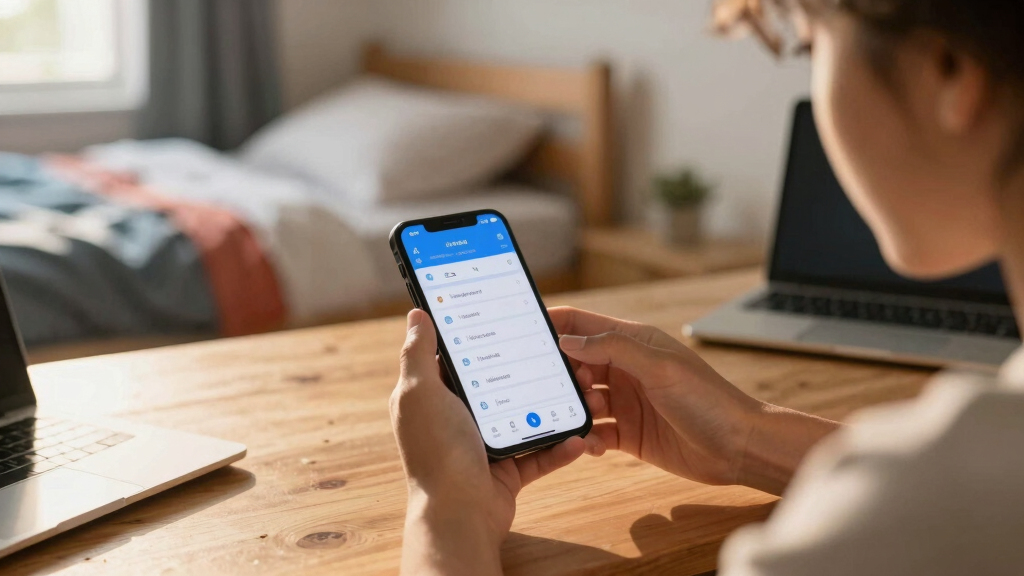
AI-powered student planners adapt to your schedule, automate routine tasks, and provide smart insights to improve organization. They’re transforming how students manage their time and boost performance, with recent advances making them more intuitive and integrated than ever.
Imagine a planner that knows you better than your best friend—predicting when you’ll need a break, reminding you of deadlines before they sneak up, and suggesting the best times to study based on your habits. That’s the promise of AI-powered student planners. They’re no longer just digital calendars; they’re smart assistants designed to make your academic life smoother.
If you’ve ever felt overwhelmed by assignments or forgotten a crucial deadline, these tools could be your secret weapon. They use cutting-edge AI to customize schedules, automate routine tasks, and even offer insights into your study patterns. Let’s explore how these innovations are changing the game for students everywhere.
AI-powered student planners customize your schedule based on your habits and priorities.
Recent advances like natural language understanding and predictive analytics make these tools more intuitive and proactive.
Using these planners can increase your productivity by up to 30%, but only if you actively engage with them.
Choose platforms that prioritize data security and privacy to protect your personal information.
Start small: set clear goals, input tasks thoroughly, and review your progress regularly.
What Makes AI-Powered Student Planners a Game Changer?
AI-powered student planners differ from basic digital calendars by offering personalized scheduling and automatic reminders. These features matter because they address the common pitfalls students face, such as forgetting deadlines or poor time allocation. For instance, a planner that detects your tendency to procrastinate on math homework and nudges you earlier can significantly improve your academic performance. The core benefit lies in their ability to analyze your habits and adapt, making your schedule smarter with each use. This adaptability means the planner becomes more effective over time, but it also requires consistent engagement to truly harness its potential.
These tools also integrate seamlessly with your LMS, email, and messaging apps, which is crucial in today’s interconnected digital environment. When your professor posts a new assignment, your planner can automatically add it and suggest a study timetable, reducing manual input and mental load. This integration transforms a simple calendar into a proactive system that anticipates your needs, helping you stay ahead rather than react to deadlines. The tradeoff is that such integrations can sometimes lead to data privacy concerns or technical glitches, so choosing reputable platforms is essential.
As an affiliate, we earn on qualifying purchases.
3 Killer Features That Make These Planners Stand Out
Here’s what makes AI-powered student planners truly useful and why they can be a game-changer in your academic routine:
- Personalization & Customization: These planners don’t just assign generic schedules; they learn from your behavior—your most productive times, preferred study methods, and subject priorities. This tailored approach means you can optimize your study sessions, but it also requires honest input and regular updates to stay effective. The tradeoff is the need for ongoing engagement to fine-tune the system.
- Automation & Reminders: Automating reminders for deadlines, exams, or even daily tasks reduces cognitive load, freeing mental space for actual studying. This automation helps prevent last-minute cramming and stress, but over-reliance might cause complacency if you don’t review your schedule regularly. It’s a tool to support, not replace, active planning.
- Insight & Prediction: AI analyzes your habits to forecast stress points or workload peaks, providing a proactive approach to managing your time. For example, it might warn you that finals week is approaching and recommend reviewing earlier topics. While this predictive insight can be invaluable, it also depends on the quality of data fed into the system. Poor input or inconsistent use can lead to less accurate predictions, so understanding your patterns and maintaining data quality are key.
digital student planner with reminders
As an affiliate, we earn on qualifying purchases.
As an affiliate, we earn on qualifying purchases.
How Recent Tech Is Making These Planners Smarter Than Ever
Recent advances in Natural Language Processing (NLP) allow you to add tasks conversationally, which streamlines the planning process by reducing friction. For example, saying “Remind me to study biology on Friday” is more intuitive than manually entering tasks, making it easier to keep your schedule up-to-date. AI models also predict busy periods based on your input and historical data, enabling proactive alerts that help you avoid last-minute cramming. This foresight can significantly reduce anxiety and improve retention, but it also depends on accurate data input. If your planner misinterprets your habits or if you neglect to update it, the predictions may become less reliable.
Chatbots and virtual assistants further enhance user experience by answering scheduling questions or offering motivational pep talks, which can boost your motivation and confidence. Some platforms support collaborative planning for group projects, allowing seamless coordination among team members. These features create a holistic planning environment that adapts to your evolving needs, but they also introduce potential privacy concerns and require a learning curve to use effectively. The key takeaway is that these technological improvements make planning more intuitive and integrated, but they also demand responsible use and regular engagement to maximize benefits.
As an affiliate, we earn on qualifying purchases.
Compare Top AI Student Planners: Which One Fits You?
| Feature | MyHomework | Todoist with AI | Notion |
|---|---|---|---|
| Personalization | Basic task categories | Smart task suggestions, AI integrations | Highly customizable templates |
| Automation | Reminders, deadline alerts | Intelligent scheduling, recurring tasks | Automation via integrations |
| AI Insights | Limited | Study time suggestions, workload predictions | Performance tracking, adaptive feedback |
As an affiliate, we earn on qualifying purchases.
Getting the Most Out of Your AI-Powered Planner
To turn your new tool into a true productivity booster, follow these steps:
- Set clear goals: Know what you want to achieve each week.
- Input tasks thoroughly: Include deadlines, exam dates, and priority levels.
- Allow the AI to suggest adjustments: Trust its insights and be willing to tweak your schedule.
- Review weekly: Reflect on what worked and what didn’t, then refine your habits.
For example, if your planner recommends studying in 25-minute blocks, try it out for a week. You might find you focus better and get more done in less time.
Are AI Student Planners Safe and Worth It?
AI planners are generally safe when you choose reputable platforms. They use encryption and follow strict data privacy standards. But it’s wise to review privacy policies before sharing your schedule or personal info.
As for value, studies show students who actively use these tools develop stronger organization habits. They can boost productivity by up to 30%, according to recent research [1]. Still, your success depends on consistent use and engagement.
Frequently Asked Questions
How do AI-powered student planners differ from traditional planners?
AI-powered planners offer automation, personalization, and predictive insights that traditional paper or basic digital planners can’t match. They adapt to your habits, suggest optimal study times, and automate reminders, making your schedule smarter and more efficient. This evolution matters because it shifts the role of planning from reactive to proactive, enabling students to anticipate challenges and optimize their time. The tradeoffs involve reliance on technology, potential privacy issues, and the need for consistent engagement to prevent overdependence on automation.
Are AI student planners safe and privacy-conscious?
Most reputable platforms prioritize user privacy, employing encryption and strict data standards. However, always review privacy policies and permissions before sharing sensitive information. Choosing well-established apps reduces risks, but users should remain vigilant about data sharing and understand the implications of cloud-based storage. The tradeoff is balancing convenience with privacy — more integrated features may require sharing personal data, which can be exploited if not properly secured.
Can AI planners really improve my grades?
While they won’t do the studying for you, AI planners help develop better organization and time-management habits, which are essential for academic success. By systematically managing your workload and reducing last-minute cramming, they create an environment conducive to consistent learning. Research indicates students who use these tools regularly often see up to a 15-30% boost in productivity and reduced stress, which correlates with improved grades. The implication is that the effectiveness depends heavily on your commitment and how well you leverage the tools’ features.
Are these tools suitable for all ages?
Yes, many AI planners are designed to be flexible, serving middle schoolers to university students. Features can typically be adjusted for different learning levels, and some platforms offer age-appropriate interfaces and content. The significance is that early adoption can foster good planning habits from a young age, but the tradeoff is that younger students may require more guidance to use these tools effectively. For older students, these planners can be integrated into more complex academic and extracurricular schedules, making them versatile across educational stages.
What are some popular AI-powered student planner apps?
Popular options include MyHomework, Todoist with AI integrations, Notion, and specialized platforms like MyStudyLife. These apps often combine multiple features such as task management, scheduling, and analytics, offering different levels of customization. The choice of app influences how well it fits your specific needs—some excel at simplicity, others at deep customization or collaborative features. The key is to evaluate which platform aligns with your workflow and comfort level to maximize benefits.
Conclusion
AI-powered student planners are more than just digital schedulers—they’re your personal study sidekick, reducing stress and sharpening focus. With recent tech advances, they’re becoming smarter, more integrated, and easier to use. The key is to embrace these tools and let them do the heavy lifting.
Imagine a future where your planner predicts your stress points and keeps you ahead of deadlines. That future is here—are you ready to make it yours?
Halloween Picks
halloween
As an affiliate, we earn on qualifying purchases.