
🔍 Read the full analysis: Fake Precedents, AI, And Korean Courts: A Survey Of Judges’ Perspectives on ThorstenMeyerAI.com

Get business pricing on tech for your team
- Business-only prices and quantity discounts
- Tax-exempt purchasing
- Multiple users, one account, clear invoices
TL;DR
South Korea’s National Court Administration reported that 243 of 360 surveyed judges had encountered false or nonexistent citations in court filings. Judges called for an institutional response, including possible fines and requirements to verify citations and disclose AI use; the administration says it plans to propose procedural law changes.
South Korea’s National Court Administration has published its first survey of judges’ experiences with false legal citations, reporting that 243 of 360 respondents said they had encountered fake or distorted material in court filings. The findings have prompted calls for rules addressing citation checks and AI disclosure, as the administration plans to propose changes to procedural laws that could allow fines.
The survey covered judges at courts of all levels who answered between October 6 and 16, 2026. The National Court Administration, the administrative arm of the Supreme Court, published the results on November 2. The survey measured what judges said they had encountered; it does not establish how often false citations appear across all filings. The administration did not state how many judges were invited or provide the exact wording of the questions.
Among the 243 judges reported to have encountered false citations, 196 identified precedents that did not exist and 159 identified real precedents cited with false content. Those figures were multiple-response answers, so categories could overlap. The commonly cited finding that about eight in ten judges had seen the problem applies to responding judges handling civil, family and administrative cases. Across all 360 respondents, the reported share was 67.5%, or about two in three.
Judges said the material came from litigants as well as legal professionals: 164 named parties themselves, while 136 named lawyers acting as representatives or defense counsel. The court administration described examples that included AI-generated judgments formatted to resemble Supreme Court decisions, case numbers linked to rulings that could not be found, altered descriptions of genuine holdings, and chatbot conversation text or litigation-strategy notes left in filings.
A translation discrepancy in an English-language report illustrates why the source wording matters. Yonhap’s English version, republished by The Korea Herald, said 164 judges had cited false precedents themselves. The Korean-language release says those judges identified the litigants themselves as the source. The survey does not report that judges admitted submitting false citations.
Rules for AI-Affected Court Filings
The findings matter because false authorities can require opposing parties and courts to spend time checking citations that do not support the arguments made—or do not exist. The National Court Administration said such material places an unnecessary verification burden on the opposing party and can hinder the speedy progress of trials. That is the administration’s stated concern; the survey does not measure delays or their effect on case outcomes.
Judges showed strong support for some form of institutional response: 91.7% said one was needed, including 64.8% who called it very necessary. The most selected options were a legal basis for fines (61.4%), a duty to verify cited precedents (61.1%) and a duty to disclose AI use (60.6%). These are survey responses, not rules already in force. Any consequences will depend on what lawmakers and courts ultimately adopt.
The issue also reaches beyond generative AI. The reported categories include fabricated case law and misrepresented real decisions, while the examples include unedited chatbot text. The survey therefore points to a problem of checking legal material and filings, rather than establishing that every false citation was produced by AI.
Products Worth Considering

Apple Watch Series 8 GPS, 41mm, Midnight Aluminum Case with Midnight Sport Band (S/M)
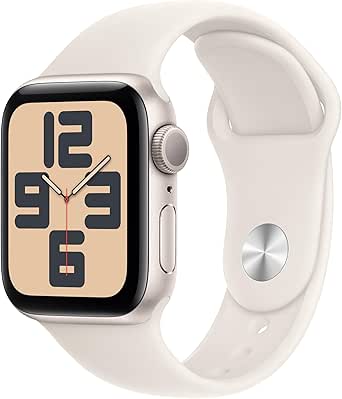
Apple Watch SE (2nd Gen) GPS 40mm with Starlight Aluminum Case and Sport Band (S/M)

Bose SoundLink Flex Bluetooth Speaker (2nd Gen), Waterproof, Dustproof, USB‑C, Up to 12 hr Battery, Black
As an affiliate, we earn on qualifying purchases.
What the Court Survey Measured
The survey was prompted by concern that AI systems can produce plausible-looking but false legal citations. In its release, the National Court Administration said those citations can shift verification work to opposing parties and interfere with the timely handling of trials. The agency asked judges across court levels about what they had seen and what responses they supported.
The reported percentages require careful denominators. The release’s approximately 80% figure concerns responding judges handling civil, family and administrative cases who said they had experienced cases with false or nonexistent precedents. The 196 judges who identified nonexistent precedents represent 80.7% of the 243 judges reported as having encountered false citations—not 80.7% of the entire 360-person sample. The figure across all respondents was reported as 243, or 67.5%.
The administration’s proposal follows earlier cases outside South Korea in which courts in New York and London sanctioned lawyers or referred them to regulators over false legal material, according to the source report. Those examples provide context but do not show what penalties, if any, South Korean courts will use.
Limits of the Survey Evidence
The survey records judges’ reported experiences, not an audit of court documents. It does not show the share of all filings containing false citations, how many instances were generated by AI, or whether the cited material changed a ruling. The administration also did not disclose the number of judges invited, the response rate, or the full question wording.
Several percentages came from questions allowing multiple answers, so they should not be treated as mutually exclusive categories. The release’s reported figures also use different denominators: the 80.7% figure for nonexistent precedents is among judges who had encountered false citations, while the 67.5% figure is the share of all 360 respondents reported to have encountered them. The results do not establish that all judges or all types of court cases experience the problem at the same rate.
Proposed Changes to Procedure Laws
The National Court Administration plans to propose changes to South Korea’s Civil and Criminal Procedure Acts that would provide a legal basis for fines, according to the source report. The survey also found support among judges for citation-verification and AI-disclosure duties, but it does not say whether those measures will be included in a proposal.
Details remain pending on the proposed wording, the timetable for submission and the route through the legislature. Until a proposal is published and considered, the survey reflects judges’ views rather than a new legal requirement. Readers will be able to assess the scope of any planned safeguards once the administration releases its proposal and lawmakers set out how they intend to handle it.
Key Questions
How many judges said they had encountered fake citations?
243 of 360 respondents were reported to have encountered false or nonexistent citations, equal to 67.5% of all respondents. The separate finding of about 80% refers to responding judges handling civil, family and administrative cases.
What types of false citations did judges report?
Among judges who had encountered the problem, 196 identified nonexistent precedents and 159 identified real precedents cited with false content. The survey also listed false or nonexistent statutes and academic materials.
Did the survey prove that AI produced all the fake citations?
No. The survey addressed false citations and included examples of AI-generated judgments and unedited chatbot text, but it did not quantify how many cases involved AI or establish that AI produced every false citation.
Are fines or AI disclosure requirements already in force?
No new requirements are established by the survey. The National Court Administration plans to propose procedural law changes that could allow fines; judges also supported citation checks and AI-use disclosure, but any changes remain subject to the proposal and legislative process.
Source: ThorstenMeyerAI.com