
TL;DR

Get business pricing on tech for your team
- Business-only prices and quantity discounts
- Tax-exempt purchasing
- Multiple users, one account, clear invoices
Atticus, an open-source macOS app presented in a Show HN post, lets users hold a keyboard shortcut to speak requests that can control apps, windows and files through Claude Code. Its developer says speech recognition runs on the Mac and that actions with potentially significant effects require approval; those details and performance figures come from the project’s own documentation.
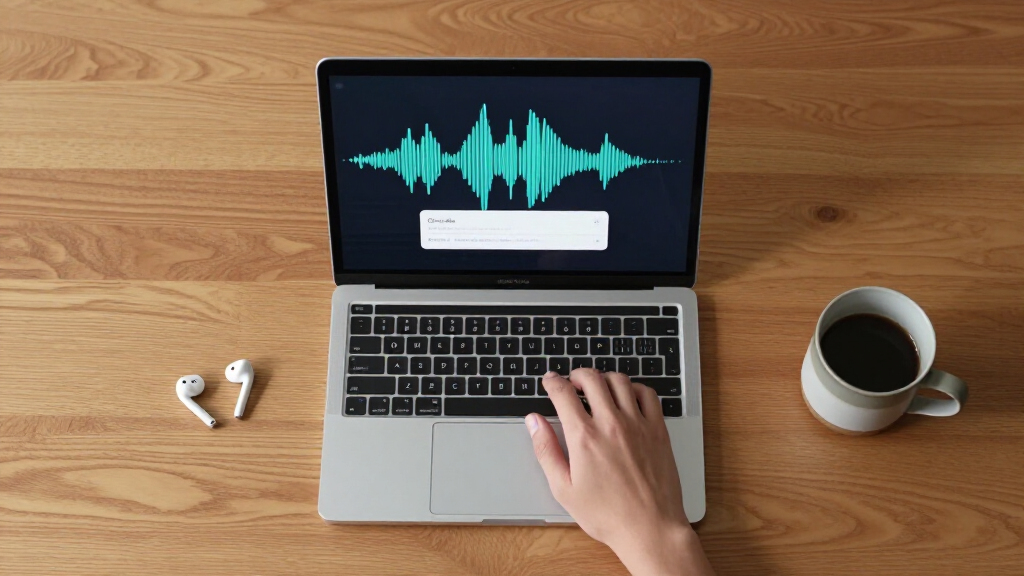
Atticus, a free, open-source voice assistant for macOS, lets users hold Control–Option–Space, speak a request and release the keys to send it. The project’s GitHub description says the app uses Claude Code’s command-line interface to handle AI-assisted tasks such as arranging windows, searching files and interpreting what is on screen, while some routine actions can run without an AI request.
The developer says Atticus uses Apple’s on-device speech recognition to turn voice into text, so recorded audio does not leave the Mac. Before AI tools or saved shortcuts run, the app displays a final transcript for confirmation, according to the project documentation. Users can also type requests, edit a request and run it again, or cancel listening with Escape.
Atticus connects to Claude through Claude Code’s claude -p command. The project says users can use a Claude Pro or Max plan without supplying a separate API key, and describes the app itself as free. Its documentation estimates about 0.18 cents of plan usage per request, a developer-provided estimate rather than an independently verified cost.
The listed capabilities include opening apps, moving windows, searching files, reading visible text and interacting with applications through macOS Accessibility controls. Atticus can draft a reply into the user’s current cursor position, but the project says it does not send the reply. Its documentation also says potentially consequential actions, including deleting, sending, buying or changing a file, prompt for approval; certain commands, including rm, sudo, disk tools and shutdown, are blocked.
Voice Control Meets Desktop Actions
Atticus is aimed at a practical gap between voice dictation and voice assistants that answer questions but do not act across desktop applications. Its pitch is that a spoken instruction can trigger macOS actions across windows, files and apps, while the user stays at the keyboard and sees a transcript before tools run.
The distinction between instant commands and AI-mediated requests is central to the project. Atticus says common operations such as opening apps or moving windows can bypass Claude, while a request can also become a learned shortcut for later use. That design could make repeated tasks faster and reduce reliance on an AI service, though the claimed timings and savings are not independently tested in the supplied material.
The approach also makes permissions and safeguards relevant to potential users. An assistant able to read screen contents and interact with applications has access beyond ordinary dictation software. Atticus describes local audio transcription, command logging and confirmation prompts, but those are project claims; the documentation alone does not establish how reliably every safeguard works in practice.
As an affiliate, we earn on qualifying purchases.
How Atticus Routes Requests
Atticus combines three functions described by its developer: voice capture, local macOS controls and an AI path through Claude Code. A user can choose hold-to-talk or press-to-toggle behavior in Settings. In hold mode, the request is submitted when the shortcut is released; in toggle mode, a second press submits it. The app says it requires transcript confirmation before AI tools or learned shortcuts run.
Not every request is routed to an AI model. The developer says direct actions such as opening an app, moving a window, searching the web or playing music can use instant commands. Other tasks may need the AI to interpret the request, screen or file contents. The project gives one example of an app-opening action dropping from 5.5 seconds to 0.4 seconds after it was learned, and says an app can open in 0.08 seconds. These are figures reported by the project, not results from a published independent benchmark.
The repository also describes a Meeting Copilot that can save transcripts, speaker labels, timestamps, notes and answers in a local archive. The documentation says audio is not saved and that meeting files are stored with restricted permissions. These features are part of the project’s description; the supplied source does not provide an independent security review or user testing.
“Hold Control–Option–Space, say what you need, let go.”
— Atticus project GitHub description
speech recognition software for Mac
As an affiliate, we earn on qualifying purchases.
As an affiliate, we earn on qualifying purchases.
Independent Testing Remains Absent
The supplied material is the project’s own GitHub description and does not include independent testing, security review or user reports. It is not clear how well the app handles varied accents, noisy environments, complex requests or changes in macOS and Claude Code. The project’s speed and usage-cost figures should be treated as estimates or examples until their methods and conditions are independently documented.
The description says Atticus uses a user’s Claude Pro or Max plan through Claude Code, but does not spell out every compatibility condition, usage limit or plan change that could affect access. Nor does the source establish how the app handles every error or permission denial. Its claims about local audio, confirmation prompts and command restrictions are documented by the developer, but their real-world enforcement has not been independently verified in the material provided.
macOS app for controlling windows and files
As an affiliate, we earn on qualifying purchases.
As an affiliate, we earn on qualifying purchases.
Repository and Setup Details
Readers interested in trying Atticus can consult the GitHub repository for installation instructions, settings and the project’s stated safeguards. The source material does not announce a release schedule, independent audit or upcoming milestone, so none can be confirmed. Future updates to the repository, user feedback and third-party testing would help clarify compatibility, reliability, actual costs and how consistently the approval and privacy protections operate.
As an affiliate, we earn on qualifying purchases.
Key Questions
What is Atticus?
Atticus is an open-source voice assistant for macOS. Its developer says it can take spoken requests to control apps, windows and files, using Claude Code for AI-assisted tasks.
Does Atticus require a separate API key?
The project says Atticus runs through Claude Code and can use a Claude Pro or Max plan without a separate API key. Plan eligibility and usage limits are not detailed in the supplied source.
Does voice audio leave the Mac?
The developer says Apple’s on-device speech recognition converts speech to text and that audio is not sent off the Mac. This is a project claim, not an independently audited finding in the material provided.
Can Atticus send an email or delete a file on its own?
The documentation says Atticus drafts replies but does not send them, and that it asks before actions such as deleting, sending, buying or changing a file. It also says some commands are always blocked. These safeguards have not been independently tested in the supplied material.
Source: hn
Halloween Picks
halloween
As an affiliate, we earn on qualifying purchases.