
TL;DR

Get business pricing on tech for your team
- Business-only prices and quantity discounts
- Tax-exempt purchasing
- Multiple users, one account, clear invoices
Pocket Voice Lab introduces a mobile app providing real-time visual feedback for voice training, aiming to support transgender individuals, speakers, and singers. It addresses the gap in objective, accessible voice coaching between professional sessions.
Pocket Voice Lab has been announced as a new mobile application designed to provide real-time acoustic biofeedback for individuals practicing voice feminization, masculinization, or public speaking. The app aims to fill a significant gap in accessible, objective feedback outside of traditional clinical or coaching sessions, which are often costly, geographically limited, and intermittent. This development is targeted at transgender and gender-nonconforming individuals, as well as public speakers and singers seeking ongoing, affordable practice tools.
The app works by recording a short voice sample and immediately displaying visual feedback on fundamental pitch and resonance relative to user-defined targets. It also includes a basic strain indicator based on harmonic-to-noise ratio, helping users avoid vocal strain. The initial version plans to include 8-12 guided exercises focused on gender-affirming voice work, along with session logs and shareable progress summaries to facilitate communication with clinicians. The product is currently in a prototype phase, with plans to pilot a 4-week paid trial among trans voice-training and public-speaking communities.
Developers aim for a freemium model: free daily exercises with paid tiers (~$8-15/month) offering unlimited sessions, detailed progress tracking, and clinician reports. Future plans include licensing to clinics and speech therapists as a between-session homework tool. The app leverages advances in smartphone microphone technology and acoustic analysis, backed by peer-reviewed research treating voice as a clinical biomarker.
Impact on Accessibility and Voice Practice
This development could significantly improve access to objective voice training for underserved populations, especially transgender individuals who face barriers to consistent, professional coaching. By providing real-time feedback via a mobile device, Pocket Voice Lab aims to empower users to practice safely and effectively between sessions, potentially accelerating progress and increasing motivation. The app also opens avenues for scalable, affordable voice health management and could complement clinical care through shareable data and progress reports.
As an affiliate, we earn on qualifying purchases.
Growing Demand for Accessible Voice-Training Tools
Traditional voice coaching and speech therapy often require in-person sessions, which can be costly and geographically inaccessible, especially for marginalized groups. Recent advances in smartphone microphone quality and acoustic analysis have made real-time biofeedback feasible outside lab settings. Peer-reviewed studies increasingly treat voice as a clinical biomarker, validating the use of acoustic features like pitch and resonance for training and diagnosis. Several prototypes, such as TruVox and Attuned, have demonstrated consumer interest and effectiveness, with over 4 million downloads of voice coaching apps like Vocal Image indicating strong market demand. The gender-affirming voice care gap remains large, with many seeking affordable, ongoing support.
“Advances in smartphone technology and acoustic science now make real-time voice biofeedback accessible outside clinical environments.”
— an anonymous researcher
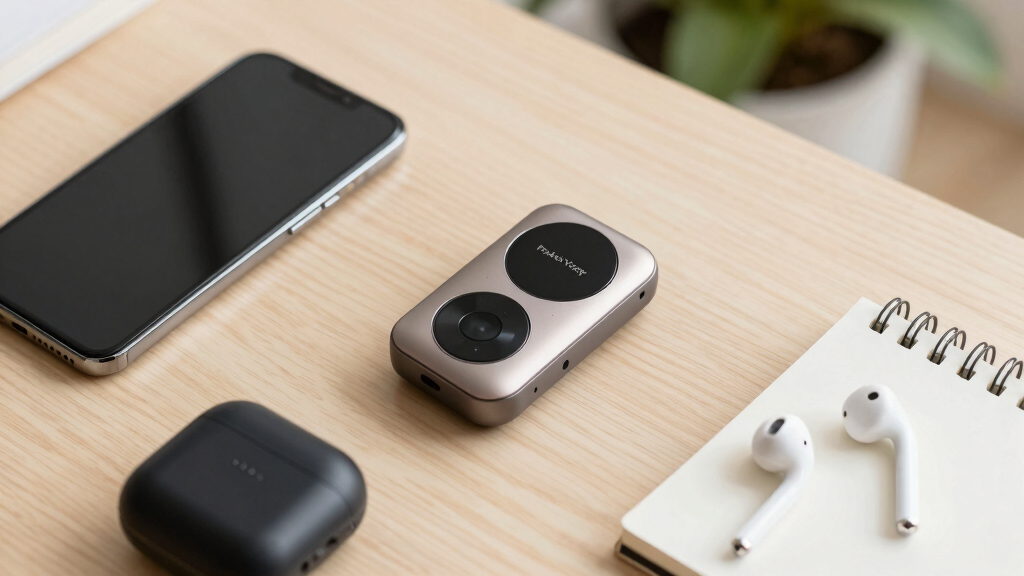
gender-affirming voice training device
As an affiliate, we earn on qualifying purchases.
As an affiliate, we earn on qualifying purchases.
Uncertainties About Effectiveness and Adoption
It is not yet confirmed how effective the app will be in producing measurable voice improvements or how users will respond to the biofeedback interface. The success of the pilot program and user engagement metrics remain to be seen. Additionally, questions about long-term adherence, data privacy, and integration with professional care are still developing.
As an affiliate, we earn on qualifying purchases.
Next Steps for Development and Validation
The team plans to conduct a 4-week pilot trial with trans voice-training and public-speaking communities, measuring user engagement and willingness to pay. They will refine the app based on feedback and aim to expand guided exercises and multi-user features in future versions. Successful pilot results could lead to broader clinical licensing and commercial deployment, with ongoing research to validate efficacy and user satisfaction.
As an affiliate, we earn on qualifying purchases.
Key Questions
How does Pocket Voice Lab provide feedback?
The app records a voice sample and displays visual feedback on pitch and resonance compared to user-set targets, along with a strain indicator based on harmonic-to-noise ratio.
Who is the target user for this app?
Primarily transgender and gender-nonconforming individuals seeking voice feminization or masculinization, as well as public speakers and singers wanting ongoing, affordable coaching support.
Is the app available now?
The app is currently in prototype testing and pilot phases, with a planned 4-week paid trial among targeted communities. Full commercial release is not yet announced.
How does this differ from traditional voice coaching?
Unlike in-person coaching, Pocket Voice Lab offers immediate, objective biofeedback via a mobile device, enabling practice between sessions and reducing costs and accessibility barriers.
Will clinicians be able to use this data?
Yes, the app plans to generate shareable progress summaries that can be sent to speech-language pathologists or clinicians to track improvements over time.
Source: IdeaNavigator AI
Halloween Picks
halloween
As an affiliate, we earn on qualifying purchases.