📊 Full opportunity report: Selfies And Skincare Apps: Following Results Over Time on IdeaNavigator AI — validation score, market gap, and execution plan.

Get business pricing on tech for your team
- Business-only prices and quantity discounts
- Tax-exempt purchasing
- Multiple users, one account, clear invoices
TL;DR
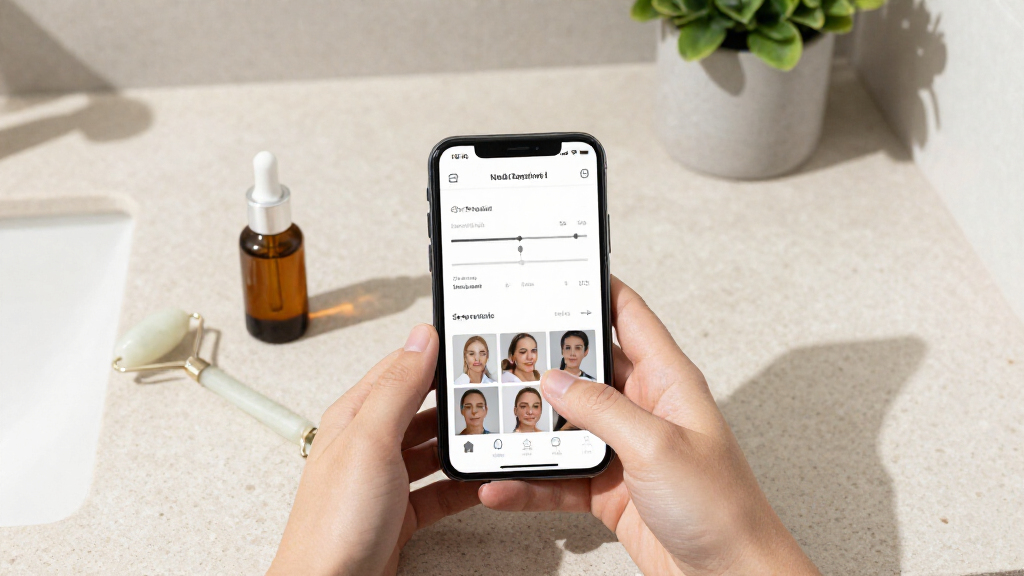
IdeaNavigator AI has proposed testing a skincare app that uses guided weekly selfies to track changes in skin texture, tone and blemishes. The proposal recommends a 12-week study of 500 users, with some app assessments compared against dermatologist reviews; no study results or evidence of app performance are provided.
IdeaNavigator AI’s product proposal describes a skincare app that would use guided weekly selfies to track changes in skin texture, tone and blemishes, alongside users’ routine changes. The proposal includes a suggested 12-week test with 500 participants, but reports no app, trial results or validated accuracy figures.
According to IdeaNavigator AI’s outline, the suggested app would guide users through taking comparable images, using alignment controls and lighting normalization to reduce differences between photos. It would then score selected skin features over time, record changes to a person’s routine and report which changes came before measurable improvement. The outline does not explain the scoring method or establish that the scores would identify what caused a change.
The proposal identifies as its intended customer a person spending money on skincare products without being sure whether a routine is working. It estimates monthly spending at $50 to $200 for the routines it describes, but provides no survey or other evidence for that estimate. Its proposed commercial plan combines subscriptions and affiliate revenue from products associated with users’ improvements.
As a validation plan, IdeaNavigator AI recommends recruiting 500 users for 12 weeks, comparing the app’s measurements with dermatologist assessments of photographs for a subsample, and measuring retention. These are proposed research steps, not a study reported as underway or completed. The outline specifies no recruitment plan, dermatologist protocol, comparison-group sample size or retention target.
Tracking Routine Changes Over Weeks
Skincare changes can be gradual, making it difficult for users to judge progress from memory or photos taken under different conditions. The consistent image record envisioned in IdeaNavigator AI’s proposal could give users a more structured way to observe changes over time and document when they introduced or stopped products. That may help them have clearer discussions with a dermatologist, though the proposal does not establish that its measurements would be clinically useful.
The proposal also raises a potential conflict: the app would earn affiliate income when users buy products linked to improvement. Commercial recommendations could shape how results are presented, so a working product would need to explain how it links products with changes and distinguish paid referrals from independent assessment. IdeaNavigator AI’s outline does not set out such safeguards.
For readers, the key distinction is between the proposed tracking workflow and proven evidence that a tool can diagnose skin conditions or identify effective products. The concept describes measurement and record-keeping; it does not establish diagnostic performance, treatment benefit or savings for users.
As an affiliate, we earn on qualifying purchases.
From Bathroom Photos to Guided Capture
IdeaNavigator AI’s proposal starts from a practical measurement problem: people commonly compare skin across time using memory and photographs taken in inconsistent lighting. Differences in angle, distance or illumination can make a face appear changed even when the skin itself has not changed to the same extent. The proposed guided capture is intended to make comparisons more consistent, but the outline gives no technical details or test results showing how well its normalization would work.
The concept names texture, tone evenness and blemish counts as possible metrics. It does not specify which skin types, conditions or lighting environments would be included, or whether the model has been tested across them. Those details matter because a score that works for some users may not provide reliable comparisons for others.
IdeaNavigator AI frames the opportunity as a beauty-technology product for people paying for routines without clear feedback. Its recommendation is to begin with a narrow use case—tracking an individual’s routine and appearance—rather than claiming that a selfie alone can show which treatment works. The proposed dermatologist comparison would be one step toward checking the measurements, not proof of broad effectiveness.
skin texture and tone analysis device
As an affiliate, we earn on qualifying purchases.
As an affiliate, we earn on qualifying purchases.
Accuracy and Trial Details Pending
IdeaNavigator AI’s outline provides no product or outcome data. It does not say whether the app has been built, whether a 500-person cohort has been recruited, or when a trial might begin. It also reports no dermatologist comparison, user-retention results or evidence that the metrics reliably detect change.
The suggested validation plan leaves important questions open: how participants would be selected, how many photos dermatologists would assess, what criteria they would use, and how closely their ratings would need to match the app. The outline does not say how the study would account for changes in lighting, camera hardware, product use, skin conditions or other factors that could affect appearance.
The proposal also does not explain how the app would treat uncertainty in its scores, protect and store face images, or handle affiliate relationships. No privacy policy, data-retention practice, recommendation rules or regulatory position is described. Until these points and trial findings are available, claims about credible measurement or product improvement remain unverified.
dermatologist approved skincare app
As an affiliate, we earn on qualifying purchases.
As an affiliate, we earn on qualifying purchases.
The Proposed 12-Week Validation
IdeaNavigator AI’s proposed next step is a 12-week cohort of 500 users. The outline calls for a subsample of participants’ photos to be assessed by dermatologists, with app measurements compared against those reviews. It also recommends tracking retention to see whether participants continue using the tool.
The proposal gives no launch date, recruiting organization or study protocol. If the test proceeds, its findings would need to report how the measures were defined, how the dermatologist comparison was conducted, and what limits apply to the results. Evidence from a short cohort could assess consistency and engagement, but would not by itself establish that the app can determine which skincare products caused an improvement.
For now, the development described by IdeaNavigator AI is a product proposal and validation plan. Its claims can be evaluated only when a working app and study results are available.
lighting normalization smartphone app
As an affiliate, we earn on qualifying purchases.
As an affiliate, we earn on qualifying purchases.
Key Questions
Has the skincare selfie app launched?
No launch is reported. IdeaNavigator AI describes a product concept and proposed test, without providing an app release or availability details.
What would the app track?
IdeaNavigator AI’s outline proposes tracking skin texture, tone evenness and blemish counts from guided weekly selfies, while recording changes in a user’s routine.
Is the app’s accuracy proven?
No accuracy results are provided. IdeaNavigator AI recommends comparing app scores with dermatologist assessments for a subsample of users, but reports no such comparison.
What is the proposed study?
IdeaNavigator AI recommends a 12-week cohort of 500 users, a dermatologist review of some participant photos and measurement of user retention. No dates or completed results are reported.
How would the app make money?
IdeaNavigator AI’s concept proposes subscriptions and affiliate revenue from products associated with user improvement. It does not describe how commercial relationships would be disclosed or separated from results.
Source: IdeaNavigator AI
Halloween Picks
halloween
As an affiliate, we earn on qualifying purchases.