
TL;DR

Get business pricing on tech for your team
- Business-only prices and quantity discounts
- Tax-exempt purchasing
- Multiple users, one account, clear invoices
A lawsuit against Meta regarding its AI glasses capturing recordings of bystanders has expanded, with new claims and legal filings. The case highlights ongoing privacy concerns about wearable recording devices and raises questions about user consent and data handling.
Legal actions against Meta over its AI glasses that record bystanders have expanded, with new plaintiffs and claims emerging. The case underscores ongoing privacy concerns surrounding wearable recording technology and Meta’s role in data collection. The lawsuit’s growth indicates increasing scrutiny of how such devices are used and regulated, especially in light of privacy concerns about wearable recording devices.
Meta faces a widening lawsuit alleging that its AI glasses, which can record audio and video, infringe on bystanders’ privacy rights. The lawsuit initially focused on specific incidents but has now included additional plaintiffs and legal claims, according to court documents filed in recent weeks. The plaintiffs argue that the glasses record without explicit consent, potentially violating privacy laws in multiple jurisdictions.
Legal filings suggest that Meta has not yet responded publicly to the expanded claims. The company has previously stated that its devices are designed with user privacy in mind, but critics argue that the pervasive recording capabilities pose significant privacy risks. The lawsuit is part of a broader debate about the regulation of wearable tech and surveillance.
While the legal process unfolds, the case has garnered attention from privacy advocates, lawmakers, and technology experts, who are debating the implications of such devices becoming mainstream. The lawsuit’s outcome could influence future regulations and corporate practices around wearable recording devices.
Legal and Privacy Implications of Wearable Recorders
This case highlights the growing legal and ethical concerns surrounding wearable technology capable of recording surroundings without explicit consent. The expansion of the lawsuit against Meta underscores the potential for increased regulation and legal liability for companies deploying such devices. For consumers and bystanders, it raises questions about the extent of privacy rights in public and semi-public spaces, and how technology companies are accountable for privacy breaches.
Ultimately, the lawsuit could set a precedent influencing how wearable devices are designed, marketed, and regulated, affecting the broader industry and consumer rights. The case also signals a societal debate about balancing technological innovation with individual privacy protections.
As an affiliate, we earn on qualifying purchases.
Rise of Wearable Recording Devices and Privacy Concerns
Meta’s AI glasses, which incorporate augmented reality and recording features, have been available to consumers for several years. They are part of a broader trend of wearable devices capable of capturing audio and video, raising privacy debates globally. The lawsuit’s emergence follows increased public awareness of privacy violations linked to wearable tech, especially after high-profile incidents involving surveillance and data misuse.
Legal challenges and regulatory discussions around similar devices have been ongoing, with some jurisdictions considering or enacting laws to restrict or regulate wearable recordings. The current lawsuit against Meta is one of the most prominent cases to date, reflecting mounting concern over the unchecked use of such technology in public spaces.
While Meta has emphasized user privacy controls, critics argue that the technology’s capabilities make it difficult to prevent unauthorized recordings. The legal case signals a turning point in how society and regulators may approach wearable surveillance technology in the future.
As an affiliate, we earn on qualifying purchases.
Unclear Scope of Meta’s Response and Future Regulations
It remains unclear how Meta will respond to the expanded lawsuit or whether the company plans to modify its devices or privacy policies. Additionally, it is uncertain how courts will interpret privacy laws in relation to wearable recording devices, especially across different jurisdictions. The potential for regulatory changes remains speculative at this stage, pending legal outcomes and legislative actions.
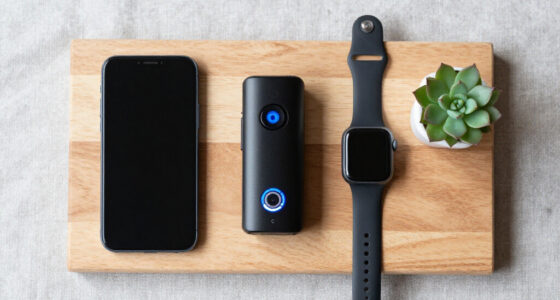
smart glasses with audio and video recording
As an affiliate, we earn on qualifying purchases.
As an affiliate, we earn on qualifying purchases.
Next Steps in Legal Proceedings and Regulatory Review
The lawsuit is expected to proceed through court hearings, with possible motions for dismissal or settlement. Meta’s legal team may also clarify its stance or propose changes to device features. Meanwhile, lawmakers and regulators are likely to scrutinize existing privacy laws and consider new regulations governing wearable devices. Public interest and advocacy efforts could influence legislative debates, potentially leading to stricter controls on recording technology.
As an affiliate, we earn on qualifying purchases.
Key Questions
What specific privacy laws might apply to Meta’s AI glasses?
Various privacy laws could apply depending on jurisdiction, including data protection statutes, wiretapping laws, and regulations governing surveillance. The legal landscape is evolving, and courts will interpret how existing laws relate to wearable recording devices.
Could Meta be held liable for recordings made by users of its glasses?
Legal liability depends on factors such as user consent, device capabilities, and whether Meta actively facilitates or encourages unauthorized recording. The expanded lawsuit suggests potential liability, but outcomes remain uncertain.
Are other companies facing similar lawsuits?
Yes, some other tech firms developing wearable recording devices are under scrutiny, but Meta’s case is among the most prominent at this time. The lawsuit may influence industry-wide practices.
What are the privacy rights of bystanders in public spaces?
Generally, privacy rights in public spaces are limited, but covert recording without consent can violate specific laws or expectations of privacy in certain contexts. The legal debate continues regarding the extent of these rights with emerging technology.
Could this case lead to new regulations on wearable tech?
Potentially, yes. The case could prompt lawmakers to develop clearer regulations or restrictions on recording capabilities, especially to protect bystanders from covert surveillance.
Source: rss
Halloween Picks
halloween
As an affiliate, we earn on qualifying purchases.