
AI-powered home automation devices are transforming how we manage our living spaces, offering smarter, more responsive control over lights, energy, security, and more. The iSG Box SE Smart Home Hub stands out as the best overall choice for its robust integration capabilities and user-friendly setup. For those focused on energy efficiency, the Home Energy Monitor Lite offers precise real-time insights, while the Shelly Pro RGBWW PM provides advanced lighting control with added power metering. However, buyers face tradeoffs between affordability, complexity, and customization. Continue reading to see how these options compare and find the best fit for your smart home needs.

Get business pricing on tech for your team
- Business-only prices and quantity discounts
- Tax-exempt purchasing
- Multiple users, one account, clear invoices
Key Takeaways
- The best devices combine strong local control with seamless integration into popular smart home ecosystems.
- Energy monitoring features are increasingly important for optimizing power consumption and reducing bills.
- Ease of setup and user interface vary significantly; beginner-friendly options tend to sacrifice some advanced capabilities.
- Many top devices support multiple protocols like Zigbee, Z-Wave, and Matter, enhancing compatibility.
- Price ranges from affordable controllers to premium hubs; choosing the right depends on your current ecosystem and future plans.
| iSG Box SE Smart Home Hub with Preinstalled Home Assistant |  | Best Overall for Advanced Customization | Compatibility: Supports 2,500+ brands, Matter, Zigbee, Z-Wave | Pre-installed Software: Home Assistant, HACS, integrations | Protocols: Zigbee, Z-Wave, Matter | VIEW LATEST PRICE | See Our Full Breakdown |
| Shelly Pro RGBWW PM Wi-Fi & LAN Smart LED Controller with Power Metering |  | Best for Lighting Customization and Energy Monitoring | Channels: 5 | Voltage: up to 24 VDC | Current per channel: 6 A | VIEW LATEST PRICE | See Our Full Breakdown |
| Home Energy Monitor Lite – Real-Time Electricity Usage & Power Consumption Meter |  | Best for Energy Efficiency Tracking | Monitoring Circuits: Up to 10 | Connectivity: Wi-Fi and Ethernet | Supported Power Systems: Single-phase, three-phase | VIEW LATEST PRICE | See Our Full Breakdown |
| SwitchBot AI Hub Bundle with PTC Plus 5MP Camera, Smart Home Integration, Pan Tilt Indoor Camera |  | Best for Indoor Security and Monitoring | Camera Resolution: 5MP | Pan-Tilt Range: 360° horizontal, 115° vertical | Storage: 16GB MicroSD included, expandable | VIEW LATEST PRICE | See Our Full Breakdown |
| AI Powered Smart Home Guide for Beginners 2026 |  | Best for Newcomers to Home Automation | VIEW LATEST PRICE | See Our Full Breakdown | |||
| Linkind Matter Smart Plug with Apple Home, Alexa, Siri, Google Home Compatibility | 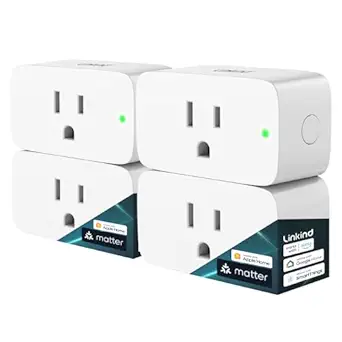 | Best Versatile Compatibility | Power Capacity: 1800W 15A | WiFi Support: 2.4GHz only | Certifications: FCC certified | VIEW LATEST PRICE | See Our Full Breakdown |
| Local AI Voices Command Processor for Home Automation Systems |  | Best for Privacy-Conscious Tech Enthusiasts | Recognition Distance: 3-5 meters | Power Consumption: 1mA standby | Commands: 30+ customizable | VIEW LATEST PRICE | See Our Full Breakdown |
| AI-Powered Smart Home Guide 2026: A Step-by-Step Guide to Designing, Optimizing, and Mastering a Fully Automated Smart Ecosystem |  | Best for Strategic Planning and Learning | VIEW LATEST PRICE | See Our Full Breakdown | |||
| Hubitat Elevation C-8 Pro Smart Home Hub, Local Control and Automations |  | Best for Power Users and Privacy Seekers | Protocols: Z-Wave 800 Series, Zigbee 3.0, Matter 1.5, Bluetooth | Device Compatibility: Over 1,000 devices from 100+ brands | Processor: 2.0 GHz | VIEW LATEST PRICE | See Our Full Breakdown |
| SwitchBot AI Hub with OpenClaw Support, Local NVR Camera Storage, Home Assistant Pre-Installed, Matter Bridge, Dual-Band Wi-Fi, 16GB MicroSD Included |  | Best for Local AI-Powered Camera Integration | OpenClaw Support: Yes | Camera Storage: 16GB MicroSD, expandable to 1TB | Compatibility: Supports SwitchBot cameras, RTSP, Video Doorbell | VIEW LATEST PRICE | See Our Full Breakdown |
| Shelly 1 Gen4 UL, Smart Relay Switch, Wi-Fi, Zigbee, Matter, Dry Contact | 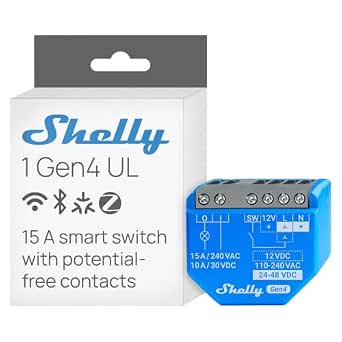 | Best for Seamless Multi-Protocol Integration | Certification: UL | Connectivity: Wi-Fi, Zigbee, Matter, Bluetooth | Channels: 1 (15A) | VIEW LATEST PRICE | See Our Full Breakdown |
| Emporia Energy Monitor with 16 Sensors and 4 Smart Plugs Bundle |  | Best for Detailed Energy Management and Cost Savings | Sensors: 16 sensors | Smart Plugs: 4 Wi-Fi smart plugs | Compatibility: iOS, Android, Alexa | VIEW LATEST PRICE | See Our Full Breakdown |
More Details on Our Top Picks
iSG Box SE Smart Home Hub with Preinstalled Home Assistant
The iSG Box SE stands out for its extensive compatibility with over 2,500 brands and support for major protocols like Matter, Zigbee, and Z-Wave. Its pre-installed Home Assistant provides powerful automation capabilities, making it ideal for users who want a highly customizable smart home system. Unlike the Hubitat Elevation C-8 Pro, which emphasizes local control over simplicity, the iSG Box SE offers more flexibility at the cost of a steeper learning curve. Its local-first architecture ensures privacy and instant responses, but it requires separate Zigbee or Z-Wave USB sticks, adding to setup complexity. This pick makes the most sense for tech-savvy homeowners eager to craft detailed automations and integrate diverse devices, though beginners may find it overwhelming.
Pros:- Supports a vast range of devices and protocols, ensuring broad compatibility
- Pre-installed with Home Assistant for deep customization and automation
- Local control architecture guarantees privacy and quick response times
- Built-in Apple HomeKit bridge simplifies integration with Apple devices
Cons:- Requires purchase of Zigbee or Z-Wave USB sticks separately, adding expense
- Setup and configuration can be complex for users unfamiliar with Home Assistant
- No included USB sticks, so users must source their own
Best for: Homeowners who want extensive device compatibility and advanced automation with local control
Not ideal for: Beginners or those seeking a plug-and-play solution without additional hardware or configuration
- Compatibility:Supports 2,500+ brands, Matter, Zigbee, Z-Wave
- Pre-installed Software:Home Assistant, HACS, integrations
- Protocols:Zigbee, Z-Wave, Matter
- HomeKit Integration:Built-in bridge
- Control:App, voice, chat commands
- Connectivity:Requires separate Zigbee/Z-Wave USB sticks
- Privacy:Local-first architecture
- Voice Control:Supports multiple languages
- Remote Access:Lifetime via LinknLink app
Our verdict“Best suited for advanced users seeking maximum flexibility and device support in home automation.”
Shelly Pro RGBWW PM Wi-Fi & LAN Smart LED Controller with Power Metering
The Shelly Pro RGBWW PM offers versatile lighting control with five independent channels supporting RGB, RGBW, and CCT LED strips. Its built-in power metering sets it apart from simpler controllers like the Linkind Matter Smart Plug, enabling detailed energy monitoring for smarter lighting habits. While the Shelly Pro excels in customization and energy insights, it requires Wi-Fi or LAN for operation, which could pose challenges for those seeking a purely local solution like Hubitat. Its DIN-rail form factor makes it ideal for embedded setups, yet the complex configuration might deter beginners unfamiliar with home automation platforms. This device is perfect for homeowners looking to fine-tune lighting and track energy use but less so for casual users.
Pros:- Supports a variety of lighting profiles, enabling rich scenes
- Built-in power metering for real-time energy tracking
- Flexible DIN-rail installation for professional or embedded setups
- Easy integration with Alexa, Google, iOS, and Android platforms
Cons:- Requires Wi-Fi or LAN, limiting use in isolated or low-connectivity environments
- Setup can be complex, especially for those unfamiliar with home automation systems
Best for: Homeowners or small business owners wanting detailed lighting control and energy monitoring
Not ideal for: Users seeking simple, plug-and-play lighting devices or minimal setup
- Channels:5
- Voltage:up to 24 VDC
- Current per channel:6 A
- Total current:16 A
- Power metering:Yes
- Form factor:DIN-rail
- Compatibility:Alexa, Google, iOS, Android
Our verdict“Ideal for users who want advanced lighting customization combined with energy monitoring capabilities.”
Home Energy Monitor Lite – Real-Time Electricity Usage & Power Consumption Meter
The Home Energy Monitor Lite provides real-time insights into your home’s electricity consumption across up to 10 circuits. Its compatibility with both Wi-Fi and Ethernet makes it adaptable, unlike single-connectivity monitors that limit flexibility. It stands out for delivering AI-powered analysis that can identify waste and suggest efficiency improvements, comparable to more comprehensive systems but at a lower cost. However, its limited three CT clamps in the Lite version can restrict detailed monitoring unless you upgrade or expand. The lack of a built-in display means users must rely on app or web interfaces, which could slow down quick checks. This monitor makes the most sense for energy-conscious users who want actionable insights without extensive technical setup.
Pros:- Real-time energy tracking with AI insights for efficiency improvements
- Supports multiple connectivity options including Wi-Fi and Ethernet
- Expandable up to 10 circuits for detailed analysis
- Supports integration with home automation systems like Home Assistant
Cons:- Limited to 3 CT clamps in the Lite version, restricting detailed monitoring
- Requires configuration for different power systems, which can be technical
Best for: Homeowners keen on reducing energy waste with real-time, AI-driven insights
Not ideal for: Users needing detailed circuit monitoring or a standalone device with a display
- Monitoring Circuits:Up to 10
- Connectivity:Wi-Fi and Ethernet
- Supported Power Systems:Single-phase, three-phase
- Data Retention:45 days (minute), 36 months (monthly/yearly)
- Certifications:FCC, CE, UL/IEC
- Installation:Circuit panel, spring terminals
Our verdict“Best for energy-savvy homeowners wanting real-time, AI-driven insights to cut costs.”
SwitchBot AI Hub Bundle with PTC Plus 5MP Camera, Smart Home Integration, Pan Tilt Indoor Camera
This SwitchBot AI Hub Bundle offers a high-resolution 5MP camera with pan-tilt capabilities, making it well-suited for comprehensive indoor surveillance. Its support for local storage and expandable options give it an edge over simple cloud-based cameras like the Linkind Matter Smart Plug. While the AI features add value, they depend on a subscription, which could be a downside for budget-conscious users. The setup may require technical know-how, especially for configuring the camera’s network and integrations. The camera’s 2.4GHz Wi-Fi limits connectivity options, but the broad device compatibility including Matter and RTSP cameras makes it versatile. This bundle is perfect for those seeking detailed indoor security with local event recording and automation integration, though AI subscription costs should be considered.
Pros:- High-resolution 5MP camera with full pan-tilt coverage
- Supports local storage with expandable options for recording
- Integrates with a wide range of smart home platforms and devices
- Supports local deployment for privacy and reliability
Cons:- AI features require a subscription, adding ongoing costs
- Setup can be technically involved, especially for optimal use
- Limited to 2.4GHz Wi-Fi networks
Best for: Homeowners needing reliable indoor surveillance with automation integration
Not ideal for: Casual users or those seeking a simple, no-fuss camera solution
- Camera Resolution:5MP
- Pan-Tilt Range:360° horizontal, 115° vertical
- Storage:16GB MicroSD included, expandable
- Connectivity:2.4GHz Wi-Fi
- Supported Devices:Wi-Fi, Bluetooth, Matter, RTSP
- Additional Features:Night vision, two-way audio
Our verdict“Best suited for security-minded homeowners wanting detailed indoor monitoring with local storage options.”
AI Powered Smart Home Guide for Beginners 2026
This Smart Home Guide for Beginners offers accessible, easy-to-follow instructions to help newcomers start their home automation journey. It covers a broad array of topics, from energy efficiency to security and AI assistants, making it a useful starting point for those overwhelmed by technical details. Unlike technical devices like the iSG Box SE or Shelly Pro RGBWW PM, this guide focuses on education rather than hardware, making it perfect for absolute beginners. However, its lack of specific technical specifications or customer reviews means it’s less suited for those seeking in-depth product insights. This guide is ideal for users who want a clear roadmap before investing in devices, rather than detailed technical breakdowns.
Pros:- Simple, step-by-step instructions perfect for beginners
- Covers a wide range of smart home topics, including security, energy, and AI assistants
- Provides practical, actionable advice for modernizing homes
Cons:- No technical specifications or device recommendations for advanced users
- Lacks detailed reviews or user feedback, which could limit depth
Best for: Individuals new to home automation seeking a comprehensive, step-by-step learning resource
Not ideal for: Experienced users looking for detailed technical specifications or advanced automation strategies
Our verdict“Best for newcomers seeking a clear, beginner-friendly introduction to home automation concepts and planning.”
Linkind Matter Smart Plug with Apple Home, Alexa, Siri, Google Home Compatibility
This smart plug stands out for its broad platform support, including Apple Home, Alexa, Google Home, and SmartThings, making it a flexible choice for multi-system households. Compared with the Hubitat Elevation C-8 Pro, it offers easier setup and no need for complex configurations, but it relies on a Matter-certified hub for full integration, which can be a hurdle for some users. Its offline LAN communication enhances reliability during internet outages, a feature not typically available in cloud-dependent devices. However, it only supports 2.4GHz WiFi, limiting network options, and some advanced features require additional hardware. Overall, this pick is ideal for users seeking straightforward control across multiple ecosystems without extensive technical setup.
Pros:- Easy to set up and control via multiple smart home platforms
- Supports offline LAN communication for reliable local control
- Voice control compatible with Siri, Alexa, Google Assistant, and SmartThings
Cons:- Only supports 2.4GHz WiFi networks
- Requires a Matter-certified hub or controller for full platform integration
Best for: Homeowners who want a simple, cross-platform smart plug with reliable offline control.
Not ideal for: Advanced users requiring local automation without cloud dependence or support for 5GHz WiFi networks.
- Power Capacity:1800W 15A
- WiFi Support:2.4GHz only
- Certifications:FCC certified
- Compatibility:Apple Home, Alexa, Google Home, SmartThings, AiDot
- Hub Requirement:Matter-certified hub or controller required for some platforms
Our verdict“Best suited for users seeking broad compatibility with minimal setup and reliable local control.”
Local AI Voices Command Processor for Home Automation Systems
This offline voice recognition module offers quick, local responses, making it ideal for users prioritizing privacy and low latency, especially compared to cloud-dependent solutions like the SwitchBot AI Hub. Its 3-5 meter recognition range suits small to medium rooms, but this limited distance can be restrictive for larger spaces or noisy environments. The support for over 30 customizable commands allows tailored automation, yet its technical complexity makes it unsuitable for non-technical users. Power consumption is minimal, suitable for battery-operated projects, but integration requires some knowledge of development platforms. This device is best for DIYers and developers who want autonomous voice control without internet reliance.
Pros:- Offline voice recognition with fast response time
- Supports over 30 customizable commands
- Low power consumption suitable for battery-powered projects
Cons:- Limited recognition range compared to cloud-based systems
- Requires technical knowledge for integration
- Potential noise interference in noisy environments
Best for: Tech-savvy users and developers building privacy-first, offline voice-controlled smart solutions.
Not ideal for: Homeowners seeking plug-and-play voice assistants or those with noisy environments that may interfere with recognition.
- Recognition Distance:3-5 meters
- Power Consumption:1mA standby
- Commands:30+ customizable
- Interfaces:UART, I2C, GPIO
- Noise Tolerance:under 60dB
Our verdict“Ideal for DIY enthusiasts needing autonomous, privacy-focused voice control for custom smart systems.”
AI-Powered Smart Home Guide 2026: A Step-by-Step Guide to Designing, Optimizing, and Mastering a Fully Automated Smart Ecosystem
This comprehensive guide excels at helping both beginners and advanced users understand how to design and optimize smart ecosystems using AI, but it lacks hardware specifics or step-by-step instructions for actual device setup. It’s ideal for users wanting a strategic overview or to deepen their understanding of AI’s role in automation, yet it might fall short for those seeking ready-to-implement solutions. Compared to device-specific options like the Hubitat Elevation C-8 Pro, it emphasizes theory and planning over practical integration. This book is best for those wanting to develop a broad understanding before deploying specific hardware.
Pros:- Provides detailed, step-by-step instructions for smart home automation
- Covers the latest AI technologies for creating smart ecosystems
- Useful for both beginners and advanced users
Cons:- No specific product features or hardware details provided
- Content may be more theoretical than practical for immediate implementation
Best for: Homeowners and enthusiasts seeking a deep understanding of AI-driven smart ecosystems and automation strategies.
Not ideal for: Individuals looking for immediate, hardware-based automation solutions without theoretical guidance.
Our verdict“Best suited for users eager to learn strategic AI integration for their smart home projects before investing in hardware.”
Hubitat Elevation C-8 Pro Smart Home Hub, Local Control and Automations
The Hubitat Elevation C-8 Pro offers robust local processing, making it a prime choice for users who value speed and privacy. Its support for Z-Wave, Zigbee, Matter, and Bluetooth ensures broad device compatibility, surpassing simpler hubs like the Linkind Smart Plug in integration scope. The local processing reduces latency and dependency on cloud services, which is critical for advanced automations. However, setup and configuration are more technically involved, and some device compatibility issues can arise without careful review. This hub is perfect for those who want a customizable, privacy-focused core for their smart home ecosystem, especially if they manage many devices across different protocols.
Pros:- Supports multiple smart home protocols for broad device compatibility
- Processes automations locally for fast response and privacy
- Continuous free software updates with new features and device support
Cons:- Setup and configuration may require technical knowledge
- Some advanced features may need review of product documentation
Best for: Tech-savvy homeowners building complex smart homes with multiple protocols and high privacy requirements.
Not ideal for: Casual users or those uncomfortable with technical setup and device compatibility challenges.
- Protocols:Z-Wave 800 Series, Zigbee 3.0, Matter 1.5, Bluetooth
- Device Compatibility:Over 1,000 devices from 100+ brands
- Processor:2.0 GHz
- RAM:2 GB
- Connectivity:Wi-Fi, Ethernet
- No subscription required:Yes
Our verdict“Best suited for experienced users seeking a flexible, privacy-preserving hub for complex, multi-protocol smart homes.”
SwitchBot AI Hub with OpenClaw Support, Local NVR Camera Storage, Home Assistant Pre-Installed, Matter Bridge, Dual-Band Wi-Fi, 16GB MicroSD Included
The SwitchBot AI Hub excels for users integrating cameras and local AI features, offering OpenClaw support for a variety of devices and local storage options. Compared to the Linkind Smart Plug, it emphasizes AI-driven security and automation, with faster local responses enabled by pre-installed Home Assistant and Matter bridging. Its local camera storage and AI features require a subscription, adding ongoing costs but providing powerful context-aware automation. The lack of IR control limits some device compatibility, and its AI features may be complex for non-technical users. This device is ideal for security-conscious users seeking advanced AI-enabled automation with local control.
Pros:- Supports OpenClaw and integrates with multiple smart devices
- Local storage options for camera recordings with expandability
- Pre-installed Home Assistant and Matter support for versatile automation
Cons:- AI features require a paid subscription
- Does not include IR control for traditional remote devices
Best for: Home security enthusiasts and developers wanting AI-driven, locally stored camera integrations within their smart ecosystem.
Not ideal for: Casual users seeking simple smart plugs or those not interested in subscription-based AI features.
- OpenClaw Support:Yes
- Camera Storage:16GB MicroSD, expandable to 1TB
- Compatibility:Supports SwitchBot cameras, RTSP, Video Doorbell
- Home Assistant Pre-installed:Yes
- Matter Bridge:Yes
- Wi-Fi:Dual-Band
Our verdict“Ideal for security-focused users who want local AI processing and expandable camera integration within a smart home.”
Shelly 1 Gen4 UL, Smart Relay Switch, Wi-Fi, Zigbee, Matter, Dry Contact
The Shelly 1 Gen4 UL stands out for its ability to connect via multiple protocols—Wi-Fi, Zigbee, Matter, and Bluetooth—making it highly adaptable for diverse smart home setups. Unlike the Emporia Energy Monitor with 16 Sensors and 4 Smart Plugs, which primarily targets energy tracking, this relay switch offers direct control of appliances and lighting without needing extra sensors. The compact design fits into standard electrical boxes, providing a neat installation, but it requires some electrical knowledge, which could be a barrier for DIY novices. Its 15A load capacity is suitable for most household devices, yet limits heavier appliances. The absence of physical controls means automation relies entirely on remote operation, which may not suit those who prefer manual overrides. Overall, this device excels for homeowners seeking flexible, hubless automation that integrates well with existing systems. The main tradeoff is its installation complexity versus its versatility.
Pros:- Supports multiple protocols (Wi-Fi, Zigbee, Matter, Bluetooth) for flexible integration
- Compact size fits standard wall boxes for discreet installation
- Enables remote control, scheduling, and automation via popular platforms
- Compatible with lighting, garage doors, and HVAC systems
Cons:- Requires electrical knowledge for installation
- Limited to 15A load capacity, restricting use with high-power devices
- No built-in physical controls, relying solely on app-based operation
Best for: Homeowners with existing smart platforms who want multi-protocol support and a compact form factor.
Not ideal for: DIYers with limited electrical experience or those needing higher load capacities for large appliances.
- Certification:UL
- Connectivity:Wi-Fi, Zigbee, Matter, Bluetooth
- Channels:1 (15A)
- Contact Type:Dry contact
- Voltage Compatibility:12V, 24-48V DC
- Warranty:3 years
Our verdict“This relay switch is ideal for tech-savvy users seeking multi-protocol home automation without a hub, willing to handle installation complexity for versatile control.”
Emporia Energy Monitor with 16 Sensors and 4 Smart Plugs Bundle
The Emporia Energy Monitor bundle makes a compelling choice for those prioritizing comprehensive energy insights. Compared with the Shelly 1 Gen4 UL, which focuses on appliance control, this system provides granular data on entire circuits and individual appliances, aiding in cost-saving decisions. Its 16 sensors enable detailed tracking, while the 4 smart plugs add remote control capabilities. The integration with the Emporia app offers real-time data, trend analysis, and support for solar net metering, appealing to eco-conscious users. However, setup can be complex, especially for users unfamiliar with electrical wiring or smart systems, and the price may be steep for basic needs. While it excels at energy management, it doesn’t replace simple control switches for immediate device toggling. This product suits homeowners who want in-depth energy monitoring and automation, but less so for those seeking straightforward device control.
Pros:- Provides detailed energy usage data for whole home and circuits
- Includes smart plugs for remote device control and automation
- Supports solar net metering and integrates with popular platforms
- User-friendly app for tracking, analysis, and automation
Cons:- Requires careful setup and configuration that may challenge novices
- Installation can be complex, involving electrical wiring
- Higher price point compared to basic energy monitors
Best for: Energy-conscious homeowners wanting detailed consumption data and smart automation to reduce costs.
Not ideal for: Users seeking quick, simple device control without the need for extensive setup or detailed energy insights.
- Sensors:16 sensors
- Smart Plugs:4 Wi-Fi smart plugs
- Compatibility:iOS, Android, Alexa
- Features:Whole-home energy tracking, real-time control, automation, solar net metering
- Installation:Requires setup and electrical wiring
- Price Range:Moderate to high
Our verdict“This energy monitoring system is best suited for homeowners eager for detailed insights and automation to optimize energy costs, despite the setup effort involved.”

How We Picked
I evaluated these products based on their performance, compatibility, usability, build quality, and value. Devices had to support popular smart home ecosystems like Alexa, Google, or Apple, and offer reliable AI-driven automation features. I prioritized products with a clear balance of advanced capabilities and ease of use, especially those providing local control to reduce latency. The ranking also considers user reviews, firmware stability, and support for future standards like Matter. This approach ensures that each pick serves a distinct role, whether for beginners, energy-conscious users, or tech enthusiasts seeking maximum control.Factors to Consider When Choosing AI-powered Home Automation Devices
Choosing the right AI-powered home automation device involves weighing several factors beyond basic features. Consider your existing ecosystem and future expansion plans to ensure compatibility. Ease of use can vary, so assess whether you prefer plug-and-play solutions or customizable setups. Power and energy monitoring capabilities are increasingly vital for those wanting to optimize utility bills, but they often come at a higher cost or complexity. Security features, such as local control and encryption, should also influence your decision, especially for privacy-conscious buyers. Finally, budget and scalability will determine whether you opt for a simple hub or a comprehensive, multi-protocol smart home ecosystem.Compatibility and Ecosystem Support
A key factor in selecting AI-powered home devices is ensuring they work seamlessly within your existing smart home ecosystem. Devices supporting protocols like Matter, Zigbee, or Z-Wave offer broader compatibility, enabling integration with multiple brands and platforms. If you already use Alexa, Google Assistant, or Apple HomeKit, prioritize products with native support to avoid complicated workarounds. Compatibility issues can lead to frustration or additional costs for adapters, so verify device support before purchase.Ease of Setup and User Interface
Ease of installation and intuitive control interfaces are vital, especially for those new to smart home tech. Some devices feature straightforward app-based setups, while others require more technical knowledge or additional hubs. Consider whether you prefer a device with guided setup procedures and clear documentation or one that offers advanced customization options. A user-friendly interface can significantly reduce setup time and ongoing management efforts.Local Control vs Cloud Dependence
Local control ensures your devices operate even during internet outages and often provides faster response times. Devices that rely heavily on cloud servers may suffer from latency or connectivity issues and pose privacy concerns. For critical automation, prioritize products that support local processing and control options. However, cloud-based systems can offer more frequent updates and easier remote access, so weigh these benefits against your privacy and reliability preferences.Energy Monitoring and Automation Capabilities
Energy-focused devices like monitors and smart plugs enable precise tracking of electricity use, helping to identify savings opportunities. These features are especially useful for optimizing energy consumption and reducing costs over time. Keep in mind that energy monitoring usually adds to the device’s complexity and cost, so determine whether this functionality aligns with your priorities. Automation rules based on energy data can further enhance efficiency but may require more setup effort.Budget and Scalability
Your budget influences whether you choose a single hub or a comprehensive system supporting multiple protocols and devices. While affordable options may suffice for simple automation tasks, expanding your setup over time benefits from investing in scalable platforms. Consider future growth plans—buying a system that supports additional devices and standards now can save money and hassle later. Balance your immediate needs with long-term flexibility when selecting a device.Frequently Asked Questions
Can I use these AI-powered devices without internet access?
Many top-tier devices support local control, allowing automation to run during internet outages, which enhances reliability and privacy. Devices that depend solely on cloud servers may stop functioning if your internet connection drops. When privacy and responsiveness are priorities, look for options explicitly supporting local processing and control options. This is especially important for security-focused setups or if you live in an area with unreliable internet service.Are AI-powered home automation devices secure from hacking?
Security varies widely among products, but reputable brands typically include encryption, regular firmware updates, and local control features to mitigate risks. Devices that connect via Wi-Fi or cloud services pose potential vulnerabilities if not properly secured. Prioritize products with strong security practices, such as support for WPA3, device authentication, and frequent security patches. Proper network segmentation can also reduce exposure, making your smart home both smarter and safer.Do I need a central hub for AI-powered home automation?
While some devices can operate independently, a central hub often simplifies management, improves automation reliability, and expands compatibility across devices. Hubs like the iSG Box SE or Hubitat Elevation C-8 Pro enable more complex routines and local control, reducing latency and dependency on cloud services. If your setup involves multiple brands or protocols, investing in a hub can streamline operations and future-proof your smart home ecosystem.How do I choose between energy monitoring and security features?
Your decision depends on your primary priorities. If reducing energy costs is your goal, devices with detailed energy monitoring and automation capabilities are ideal. For security, focus on devices with cameras, motion sensors, and local control. Many devices now combine both functions, but balancing cost and complexity is key. Clarify which features will deliver the most value for your specific needs, then select a device that excels in those areas.Is it worth paying more for a premium AI-powered home automation device?
Premium devices often offer enhanced features like better integration, faster responsiveness, more protocols supported, and stronger security measures. If you require a highly reliable, scalable, and future-proof system, investing more can be justified. However, for simple automation or budget-conscious setups, more affordable options may meet your needs without the extra expense. Evaluate whether the additional features align with your automation goals and long-term plans.Conclusion
For most users, the iSG Box SE Smart Home Hub provides a balanced mix of compatibility, local control, and ease of use, making it ideal as the best overall choice. Budget-conscious buyers seeking energy insights will find the Home Energy Monitor Lite offers excellent value. Tech enthusiasts or those with complex ecosystems should consider the Hubitat Elevation C-8 Pro for its advanced local control and scalability. Beginners will benefit from plug-and-play options like the Linkind Matter Smart Plug. For those prioritizing security and future-proofing, investing in a premium hub or device with extensive protocol support makes sense. Tailor your choice to your current setup and long-term automation goals to get the best results.Fall Picks
fall essentials
As an affiliate, we earn on qualifying purchases.