
TL;DR

Get business pricing on tech for your team
- Business-only prices and quantity discounts
- Tax-exempt purchasing
- Multiple users, one account, clear invoices
A new webcam app uses computer vision to monitor blink rates and suggest breaks for remote workers. This development targets the rising issue of digital eye strain caused by prolonged screen time. The solution is currently in pilot testing with plans for broader deployment.
A webcam app designed to monitor blink rate and suggest eye breaks is being tested as a tool to combat digital eye strain among remote workers who spend over eight hours daily at their laptops. This development aims to provide objective feedback on eye health and encourage healthier screen habits, addressing a growing concern in the remote work landscape.
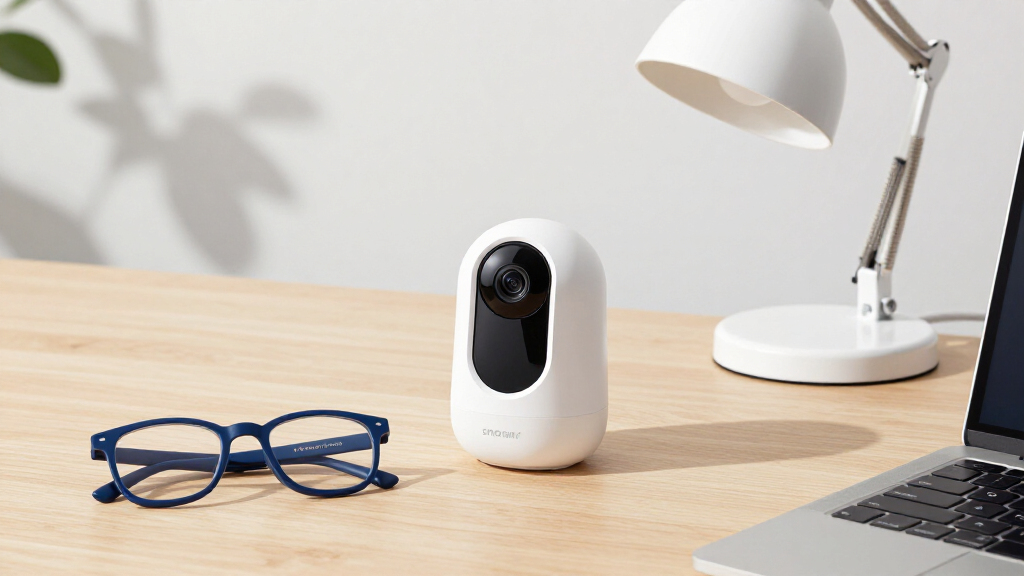
The proposed webcam solution uses computer vision technology to estimate blink rate and screen distance without transmitting video data externally, ensuring user privacy. It will log daily eye comfort scores and prompt users to take a 20-20-20 break — looking 20 feet away for 20 seconds — when blink rates drop below a set threshold. The app will be available via a per-seat subscription model targeting individual remote workers and small teams.
According to an anonymous researcher involved in the project, a two-week pilot with twenty remote workers will test whether the tool improves self-reported eye comfort and break adherence sufficiently to justify wider adoption. The goal is to validate the effectiveness of real-time blink monitoring as a preventative measure against dry eyes, headaches, and fatigue caused by excessive screen time.
Potential Impact on Remote Work Eye Health
This technology could significantly reduce the prevalence of digital eye strain among remote workers, a condition increasingly recognized as a widespread health issue. By providing objective, real-time feedback on blink rate and encouraging timely breaks, the app could improve eye comfort, reduce headaches, and enhance productivity. Its privacy-preserving design also addresses common concerns about video data security, making it more acceptable for widespread use.
As an affiliate, we earn on qualifying purchases.
Rise in Screen Time and Eye Strain Challenges
The shift to remote and hybrid work models has led to longer daily screen exposure for many employees, intensifying issues related to digital eye strain. Existing solutions often rely on self-awareness or manual reminders, which are inconsistent. Recent advances in on-device computer vision enable eye health monitoring directly through webcams without risking user privacy. This innovation aligns with broader efforts to promote wellness in digital work environments and leverages emerging AI capabilities to provide personalized health feedback.
“The goal is to create an objective, privacy-preserving way to monitor blink rate and encourage healthier screen habits among remote workers.”
— an anonymous researcher
digital eye strain prevention tools
As an affiliate, we earn on qualifying purchases.
As an affiliate, we earn on qualifying purchases.
Unconfirmed Effectiveness and Adoption Timeline
It is not yet clear how effective the blink-based nudging will be in improving long-term eye health or whether users will consistently adhere to break prompts. The pilot study results are pending, and broader adoption depends on demonstrating tangible benefits and addressing potential technical challenges in real-world settings.
As an affiliate, we earn on qualifying purchases.
Next Steps for Pilot Testing and Broader Rollout
The project team plans to conduct a two-week pilot with twenty remote workers to gather data on eye comfort improvements and break adherence. Pending positive results, developers aim to refine the app and prepare for wider deployment, including marketing and integration with popular videoconferencing platforms. Further research will explore long-term health impacts and user engagement strategies.
As an affiliate, we earn on qualifying purchases.
Key Questions
How does the webcam app estimate blink rate without sending video data externally?
The app uses on-device computer vision algorithms to analyze the video feed locally, ensuring user privacy while estimating blink frequency and screen distance.
Will this app work with all webcams and laptops?
The app is designed to be compatible with standard webcams and laptops supporting basic camera functions, but full functionality may depend on specific hardware and software configurations.
Is this solution available for general use now?
The app is currently in pilot testing with a limited user group. A broader release is expected after validating its effectiveness and addressing any technical issues.
How does this compare to existing eye health apps or reminders?
Unlike generic reminder apps, this solution provides objective, real-time feedback based on actual blink behavior, potentially offering more personalized and effective intervention.
Source: IdeaNavigator AI
Fall Picks
fall essentials
As an affiliate, we earn on qualifying purchases.