
📊 Full opportunity report: Can AI Improve Youth Mental Health Strategies? Insights From The American Psychological Association on ThorstenMeyerAI.com — validation score, market gap, and execution plan.
TL;DR
OpenAI and the APA are collaborating to develop responsible AI strategies aimed at protecting youth mental health. The partnership’s specifics, including projects and evaluation methods, have not been made public. This could influence future AI safeguards for teenagers but remains in early stages.
OpenAI and the American Psychological Association (APA) have announced a collaborative effort to develop responsible artificial intelligence strategies aimed at protecting teenagers’ mental health. The partnership seeks to incorporate psychological expertise into AI design, but specific projects, funding, and evaluation methods have not yet been disclosed. This development is significant as AI tools like ChatGPT are increasingly used by young people for information, companionship, and emotional support, raising safety and developmental concerns.
The announcement confirms that OpenAI and the APA are working together to explore how AI systems can better serve and protect adolescents as detailed in the original analysis. OpenAI states that the collaboration aims to improve age-appropriate protections, shared knowledge, and parental tools. However, the partnership does not mean that ChatGPT or similar AI products are being designated as mental health services, nor does it imply an endorsement from the APA.
OpenAI has already implemented measures such as behavioral principles for users under 18, parental controls, and restrictions on content related to self-harm, sexual material, and body image issues. The company emphasizes that these are policy decisions and product controls, not results from peer-reviewed safety research. The APA has advised that AI chatbots should not replace qualified mental health professionals and has called for stronger safeguards, privacy protections, and independent testing, as discussed in the original analysis.
The partnership could influence how AI systems detect signs of distress, redirect sensitive conversations, and encourage offline human support, informed by psychological expertise. Psychological expertise may also inform the language used in interactions with teenagers, who vary widely in maturity and understanding of AI capabilities. Nonetheless, details about how these considerations will be implemented or evaluated remain undisclosed, and the partnership’s impact on actual safety outcomes is still uncertain.
Potential Impact on Teen Safety and AI Development
This partnership is important because it signals a move toward integrating psychological expertise into AI design, especially for vulnerable populations like teenagers. If successful, it could lead to more effective safety features, better risk detection, and improved communication protocols that help prevent harm and promote well-being. For families, educators, and clinicians, the collaboration raises expectations for safer AI tools tailored to young users, but the actual safety improvements depend on future research, testing, and transparency.
AI-powered mental health apps for teenagers
As an affiliate, we earn on qualifying purchases.
As an affiliate, we earn on qualifying purchases.
Background on AI and Youth Mental Health Concerns
As AI chatbots like ChatGPT become more prevalent among teenagers for study aid, social interaction, and emotional support, concerns about developmental impacts, trust, and safety have grown. The American Psychological Association has previously warned that young people may over-trust these systems or perceive them as more capable than they are, emphasizing the need for privacy protections, AI literacy, and independent safety testing.
OpenAI has taken steps to address youth safety through policies such as behavioral restrictions, parental controls, and content filters, but these measures are policy-based rather than outcomes of peer-reviewed safety research. The partnership with the APA represents an effort to incorporate clinical insights into ongoing safety and development strategies, although specific frameworks or research protocols have not been announced.
“AI chatbots should not replace qualified mental health professionals, and safeguarding young users requires ongoing research, privacy protections, and independent evaluation.”
— APA representative
parental control apps for youth mental health
As an affiliate, we earn on qualifying purchases.
As an affiliate, we earn on qualifying purchases.
Unresolved Details on Project Scope and Evaluation
It is not yet clear how the partnership will be governed, what specific projects or research protocols will be pursued, or how success will be measured. The funding, timeline, and participation of external researchers or youth in testing are also undisclosed. Additionally, it remains uncertain whether the collaboration will produce publicly available safety assessments or certification of AI systems for youth use.

As an affiliate, we earn on qualifying purchases.
Next Steps in Partnership Development and Transparency
OpenAI and the APA are expected to release more detailed plans, including project timelines, evaluation frameworks, and participation protocols, in the coming months. Future reports may include evidence of safety improvements, independent testing results, or updates on how AI systems are adapted for youth. Stakeholders should monitor official statements and publications to assess the partnership’s impact on AI safety standards for teenagers.
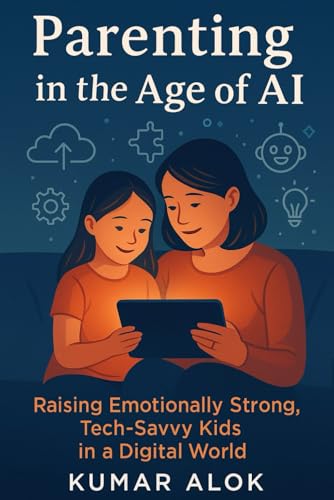
Parenting in the Age of AI: Raising Emotionally Strong, Tech-Savvy Kids in a Digital World
As an affiliate, we earn on qualifying purchases.
As an affiliate, we earn on qualifying purchases.
Key Questions
Will this partnership make ChatGPT safer for teenagers?
The partnership aims to inform safety features and behavioral protocols, but no specific safety improvements or certifications have been announced yet.
Does this mean ChatGPT is now a mental health tool?
No. The collaboration does not establish ChatGPT or similar AI systems as mental health services. It emphasizes responsible development and safeguarding measures.
What role will young people and parents have in this process?
Details about youth participation, parental involvement, and external testing are not yet public. Future plans may include these elements, but they remain to be disclosed.
Could the partnership lead to independent safety certification?
It is currently unclear whether external evaluations or certifications will result from this collaboration. The announcement does not specify formal safety approval processes.
When will we see concrete safety improvements or research results?
Further details are expected in upcoming months as OpenAI and the APA develop and publish their project plans and findings.
Source: ThorstenMeyerAI.com