📊 Full opportunity report: Restaurant Supplier Overcharge Audits: What To Look For on IdeaNavigator AI — validation score, market gap, and execution plan.

Get business pricing on tech for your team
- Business-only prices and quantity discounts
- Tax-exempt purchasing
- Multiple users, one account, clear invoices
TL;DR
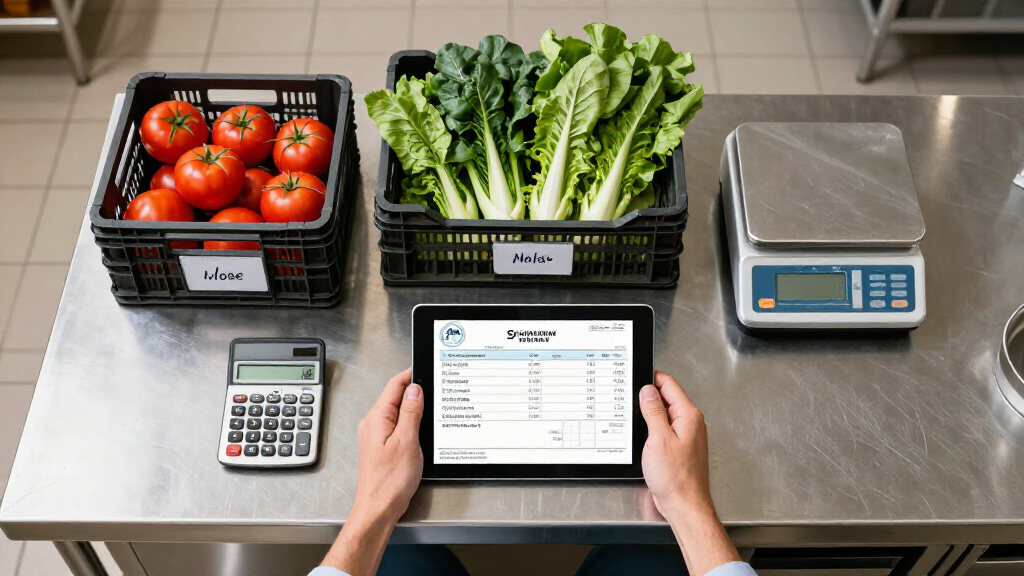
A proposal for restaurant groups describes a supplier-audit workflow that checks invoice lines against orders, delivery records and contract or quoted prices. The concept has not been shown to recover a particular amount; its suggested test is a 90-day review across three groups to measure documented potential credits against subscription costs.
IdeaNavigator AI has proposed a supplier-overcharge audit workflow for independent, multi-unit restaurant groups, designed to compare invoices with orders, delivery records and agreed prices. The proposal recommends testing the approach on a 90-day lookback across three groups; it does not report that the service has been built or that any restaurant has recovered credits.
According to the IdeaNavigator AI proposal, the first users would be directors of purchasing and controllers at restaurant groups that buy from broadline and specialty food and beverage suppliers. The proposal identifies possible discrepancies including contracted or quoted prices not appearing on invoices, full charges for short shipments, higher charges for substitutions, and prices rising between orders. It says those discrepancies can affect food costs when deliveries are not checked against orders and invoices are paid without line-by-line review.
The proposal’s minimum product would ingest supplier invoices through electronic data interchange where available, or through PDF and photo-based text recognition. It would load contracts or quote sheets and the restaurant group’s order guide, then compare each item across four records: ordered, received, billed and agreed price. The proposed system would flag potential overcharges, full charges for short-shipped cases, higher-priced substitutions and week-to-week price increases.
For each supplier, the proposal says the workflow would draft a credit request and track it until a credit appears on a later invoice. It suggests a monthly fee per location, with an optional fee tied to recovered credits. The proposal says the concept should advance only if the pilot documents enough potential credits per location to exceed the planned subscription price; it provides no prices, pilot results or recovery figures.
Restaurant Supplier Overcharge Audits What to Look For
A proposed workflow compares supplier invoices with orders, delivery records and agreed prices. A pilot would test whether documented discrepancies lead to enough credits to justify the service cost.
What the audit would compare
The proposal matches each item across four records to identify charges that may need review.
Check the supplier invoice against the restaurant’s order.
Compare billed quantities with delivery records.
Review invoice lines, including substitutions and short shipments.
Match charges with contract or quoted prices.
Potential discrepancies to flag
Above agreed terms
A contracted or quoted price may not appear on the invoice.
Short shipment billed in full
The invoice may charge for cases that were not fully delivered.
Higher-priced replacement
A substituted item may carry a higher charge.
Price rises between orders
A recurring item’s price may increase from one order to the next.
What the pilot needs to establish
The proposed test reviews paid invoices and supporting purchase terms for three restaurant groups.
- Documented price differences and shipment issues per location
- Whether records can be matched consistently
- Credits actually posted by suppliers
- Potential credits with the proposed subscription cost
- Recovered value with audit and staff costs
- Disputed charges with supplier responses
Why Invoice Checks Could Matter
For a multi-location restaurant, small invoice discrepancies can recur across suppliers, products and weekly deliveries. Comparing the bill with both the purchase terms and what actually arrived could give purchasing teams a more systematic way to identify disputed charges than relying on managers to spot them manually. That makes the idea relevant to food-cost control and margin oversight, especially when price changes are frequent.
The IdeaNavigator AI proposal links the opportunity to a USDA Economic Research Service forecast dated September 25, 2026. It says the outlook projected 2026 retail beef and veal prices to rise 9.4% and wholesale beef prices to rise 8.5%, while food-away-from-home prices were forecast to rise 3.5%. Those figures are forecasts, not final outcomes. If supplier costs rise faster than restaurants can adjust menu prices, an unrecognized discrepancy could further pressure margins; the forecast alone does not show that any particular invoice is incorrect.
The commercial case remains a hypothesis until a trial establishes whether the records can be matched reliably, whether suppliers grant credits after disputes, and whether the value recovered exceeds software and staff costs. A documented audit result could help operators decide whether to adopt a paid service or refine their existing checks.
Products Worth Considering

Bose TV Speaker (2nd Gen) Compact Soundbar

Bose TV Speaker Compact Soundbar with Bluetooth and HDMI-ARC, Black

DJI Osmo Mobile 8 Smartphone Gimbal with Mic Mini Transmitter, Infinity Black
As an affiliate, we earn on qualifying purchases.
The Proposed Three-Group Test
The IdeaNavigator AI proposal recommends beginning with one clearly defined buyer: a controller or purchasing director at an independent group with multiple restaurant locations and purchases from broadline and specialty suppliers. Narrowing the initial use case would let a pilot focus on recurring invoice comparisons rather than trying to automate every procurement task at once.
The proposal’s suggested validation is a 90-day review of paid invoices and the relevant contracts or quote sheets for three restaurant groups. The review would total charges above agreed prices, short-shipped cases billed in full and price increases. The proposal does not specify how many invoices or suppliers each group should include, how delivery quantities would be verified, or how to account for disagreements about substitutions and product specifications.
Its rationale for testing now is the possibility that food input costs may outpace menu-price increases. The proposal cites USDA figures as economic context for that concern, but they are forecasts and do not establish the size of supplier billing errors. The pilot is intended to test the narrower operational question: whether discrepancies can be documented and credits secured at a value that supports the service’s cost.
Pilot Results Are Not Yet Available
The IdeaNavigator AI proposal reports no pilot outcomes. It provides no count of audited invoices, verified overcharges, supplier-approved credits or savings per location. The proposed 90-day review is a validation plan, not evidence that the workflow has already produced recoveries.
It is also unclear how the product would distinguish a genuine overcharge from a legitimate price change, an approved substitution or a mismatch between an order guide and a supplier’s current terms. Invoice data may arrive in different formats, while delivery checks can be incomplete. The proposal does not describe error rates, customer pricing, integration requirements, dispute timelines or how recovered credits would be verified.
The USDA figures cited in the proposal are forecasts for 2026, and actual prices may differ. The proposal supplies no later outcome data or independent assessment of the service. Any savings claim would need to specify the period, the invoices reviewed and whether the amount represents identified discrepancies or credits actually received.
Measure Credits Before Building Out
The next step set out in the IdeaNavigator AI proposal is to conduct the 90-day lookback with three restaurant groups, using paid invoices alongside contracts or quote sheets. The review would calculate the value of documented price differences and shipment issues for each location, then compare that figure with a proposed subscription fee.
A decision to proceed would depend on whether the review finds enough well-supported discrepancies to justify the cost. Operators would also need to confirm that records can be matched consistently and that suppliers respond to credit requests. The proposal does not name participating groups or give a start date, so whether the test will take place remains unclear.
If the test supports the business case, a later product could automate invoice intake, line matching and credit tracking. Until results are reported, the concept should be treated as a proposed workflow rather than a proven source of savings. The key evidence to watch for is credits actually posted, measured against the cost of auditing and operating the service.
Source: IdeaNavigator AI
Key Questions
What would the proposed restaurant supplier audit check?
According to the IdeaNavigator AI proposal, it would compare each invoice line with the restaurant’s order, delivery information and agreed contract or quoted price. The proposed flags include price differences, short shipments billed in full, higher-priced substitutions and increases between orders.
Has the proposed service recovered money for restaurants?
No recovery results are reported in the proposal. It recommends a 90-day review across three restaurant groups to find out whether documented discrepancies lead to credits worth more than a planned subscription fee.
What records would a restaurant need for a test?
The proposal’s suggested review uses paid supplier invoices and contracts or quote sheets. Its proposed product would also use order guides and delivery records to compare what was ordered, received, billed and agreed.
Why does the proposal focus on food prices?
The proposal cites a USDA Economic Research Service forecast dated September 25, 2026, which projected 2026 retail beef and veal prices up 9.4%, wholesale beef up 8.5%, and food-away-from-home prices up 3.5%. These are forecasts, not confirmed final price changes or proof of billing errors.
What would show that the idea is worth pursuing?
The proposed test would compare documented potential credits per location with the planned subscription fee. Actual credits posted, the reliability of invoice matching and the time needed to resolve disputes would also help assess whether the workflow is practical.
Source: IdeaNavigator AI