
📊 Full opportunity report: Design Museum Games That Teach Through Exhibits on IdeaNavigator AI — validation score, market gap, and execution plan.

Get business pricing on tech for your team
- Business-only prices and quantity discounts
- Tax-exempt purchasing
- Multiple users, one account, clear invoices
TL;DR
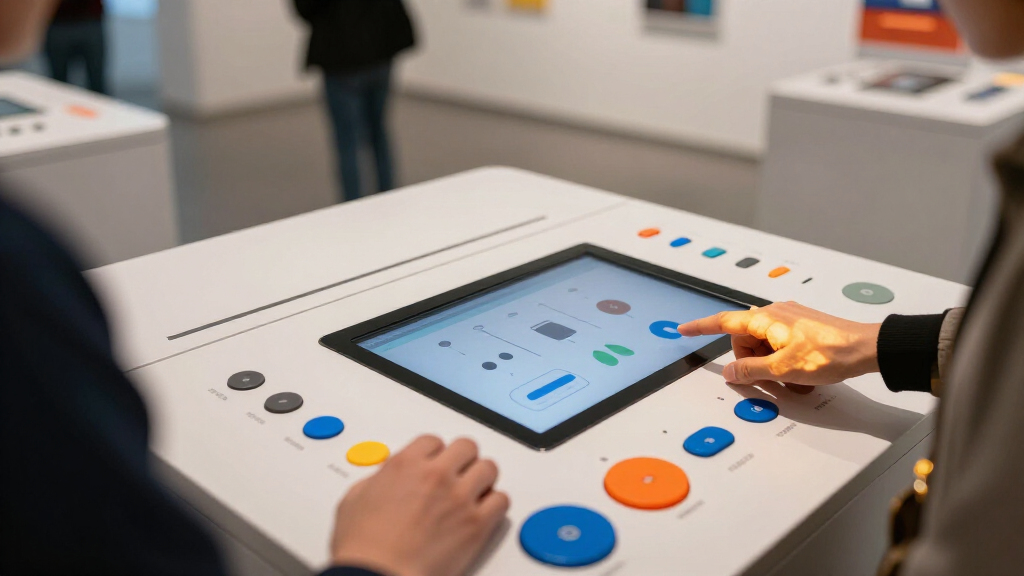
A proposal for small museums would turn collection photos, labels and object records into browser-based learning quests for school groups and families. It is a product concept, not a reported launch: the proposed next step is to test it at three museums and measure visits, bookings and interest in paid refreshes.
A proposal published by IdeaNavigator AI outlines a done-for-you package of browser-based exhibit games for school groups and families, with an initial test at three museums proposed. The concept aims to give museums with limited staff a way to add interactive learning without commissioning a custom app, but the source does not report a launched product or tested service.
According to the IdeaNavigator AI proposal, the intended customers are directors or sole educators at small history, art and science museums, typically with annual budgets below $250,000 and visits from school groups and families. The proposal describes staff and volunteers handling several roles, while educational activities may rely on worksheets reused over multiple years. It also identifies the work of writing and updating content as a barrier to using off-the-shelf hunt apps.
Under the suggested package, a museum would provide collection photos, labels and object records. The proposal says the museum would receive a browser-based quest within two weeks, for visitors to use without downloading an app. The proposed package includes a school-group hunt organized by grade band and aligned to state standards, a family quest, and a 10-minute solo trail.
The proposal also specifies content review by a museum educator, a basic editor for replacing objects when displays change, a printable alternative and visit analytics that museums could use in grant reports. It suggests revenue from a fixed-price build sized for a small grant, followed by a modest annual hosting and content-refresh fee, with regional museum associations as potential group buyers. These are proposed features and business terms, not confirmed details of an existing service.
Design Museum Games That Teach Through Exhibits
A proposal would turn museums’ collection photos, labels and object records into browser-based learning quests. It remains a concept, with a three-museum test proposed.
What museums could receive
The package is designed for small museum teams serving school groups and families.
Grade-based hunt
A quest organized by grade band and aligned to state standards.
Family quest
A browser-based activity built around the museum’s own collection.
Short trail
A proposed 10-minute activity, with a printable alternative available.
How the proposed package works
Museums provide existing collection materials; the service would turn them into activities staff can review and update.
Provide photos, labels and object records.
Create activities visitors can use without downloading an app.
An educator reviews content; a basic editor helps replace objects when displays change.
What the pilot would measure
The proposal recommends a one-term comparison with the same term in the previous year.
Potential value and open questions
The concept aims to reduce content workload and offer participation data for grant reports.
- No app download for visitors
- Printable fallback for the activity
- Analytics museums could use in grant reports
- No launch or pilot results reported
- Price, provider and participating museums are unnamed
- Grant eligibility and funding are unconfirmed
A Lower-Cost Route to Interactive Visits
The IdeaNavigator AI proposal addresses a practical constraint: small museums may want more participatory school and family visits but lack the staff time or education budget to develop and maintain digital activities. It suggests that a package created from each museum’s own collection could reduce the amount of content work required on site, while browser access would avoid asking visitors to install an app.
For museums, the proposed visit analytics could help document participation in grant reports. That value remains prospective: the proposal reports no results showing that games would increase school bookings, lengthen family visits or bring visitors back. Those measures are central to determining whether the service would merit its cost and ongoing refresh fee.
The proposal presents grants as a potential buyer and funding route. Small museums could consider a fixed-price project as an education expense, but eligibility, allowable costs and the availability of funds depend on individual grant terms. The source does not establish that any museum has secured funding for this product.
Products Worth Considering

Bose QuietComfort Ultra Earbuds (2nd Gen), Wireless Noise-Cancelling Earbuds, Black

Bose QuietComfort Headphones (2nd Gen) – Wireless Over-Ear Noise Cancelling Headphones, Eucalyptus Green

Sonos One (Gen 2) Voice-Controlled Smart Speaker, White
As an affiliate, we earn on qualifying purchases.
Grant Timing and Museum Budgets
The IdeaNavigator AI proposal describes a funding environment in which small museums may seek projects that fit within a defined grant budget. It states that the Institute of Museum and Library Services announced its FY2026 Inspire Grants for Small Museums on Sept. 9, 2026, funding 88 small museums to develop educational programs and exhibits. It also says a court settlement in April 2026 left the agency intact. These claims are presented in the proposal; the article does not independently verify them.
The proposal also says the President’s FY2027 budget again proposes eliminating IMLS and that the FY2027 National Leadership Grants deadline is tentatively Nov. 13, 2026. These details describe the funding backdrop cited by the proposal; they do not confirm that a game package qualifies for a grant or that future funding will be available.
The proposed scope is to serve one buyer type, develop a first version for three small museums, and test performance over one school term against the same term in the previous year. The proposal presents this as an initial comparison, though other changes between terms could also affect visitor behavior.
Pilot Results and Funding Still Unknown
The IdeaNavigator AI proposal reports no pilot results and gives no launch date, provider, price or names of participating museums. It is also unclear how much customization each museum would need, how educator review would be arranged, or whether a two-week turnaround would be feasible across different collections and exhibit schedules.
The proposed validation would track school-group bookings, family dwell time and repeat visits over one term, comparing them with the same term a year earlier. The proposal provides no baseline figures, explanation of how repeat visits would be attributed to the game, or method for accounting for seasonal and programming differences. It also proposes testing whether two of the three museums would include a paid refresh in a future grant application; that willingness has not been established.
Funding details remain unsettled. The grant dates and policy claims appear in the proposal’s rationale and are not confirmation that a museum can obtain funds for this particular service. The source includes no statements from museum directors, educators or grant administrators.
Three-Museum Test Would Set the Next Step
The IdeaNavigator AI proposal recommends creating quests for three small museums at cost and running them over one term. It would compare school-group bookings, family dwell time and repeat visits with the same period the prior year, then ask whether at least two museums would seek funding for a paid refresh.
Those results could indicate whether the package is workable for small staffs and whether its measurements are useful to museums. Until a pilot is announced and data are reported, the idea remains a proposed product and validation plan, not evidence of improved museum visits or education outcomes.
Source: IdeaNavigator AI proposal
Key Questions
Is a museum game service already available?
The IdeaNavigator AI material describes a proposed service. It does not report a public launch, a provider or completed museum pilots.
What would museums receive?
The proposal suggests three browser-based quest formats, content drafted from the museum’s collection, educator review, a simple editing tool, a printable fallback and visit analytics.
Who is the proposed customer?
The proposal targets directors or sole educators at small history, art and science museums, typically with annual budgets under $250,000 and school and family visitors.
How would the idea be tested?
The proposal calls for building quests for three museums and comparing school bookings, family dwell time and repeat visits over one term with the same term the previous year. No results are reported.
Would a grant pay for the games?
That is not confirmed. The proposal suggests a fixed-price package could fit a small grant line, but grant eligibility and funding depend on each program’s rules.
Source: IdeaNavigator AI