
📊 Full opportunity report: The Memory Squeeze: Why Your RAM Bill Doubled on ThorstenMeyerAI.com — validation score, market gap, and execution plan.

Get business pricing on tech for your team
- Business-only prices and quantity discounts
- Tax-exempt purchasing
- Multiple users, one account, clear invoices
TL;DR
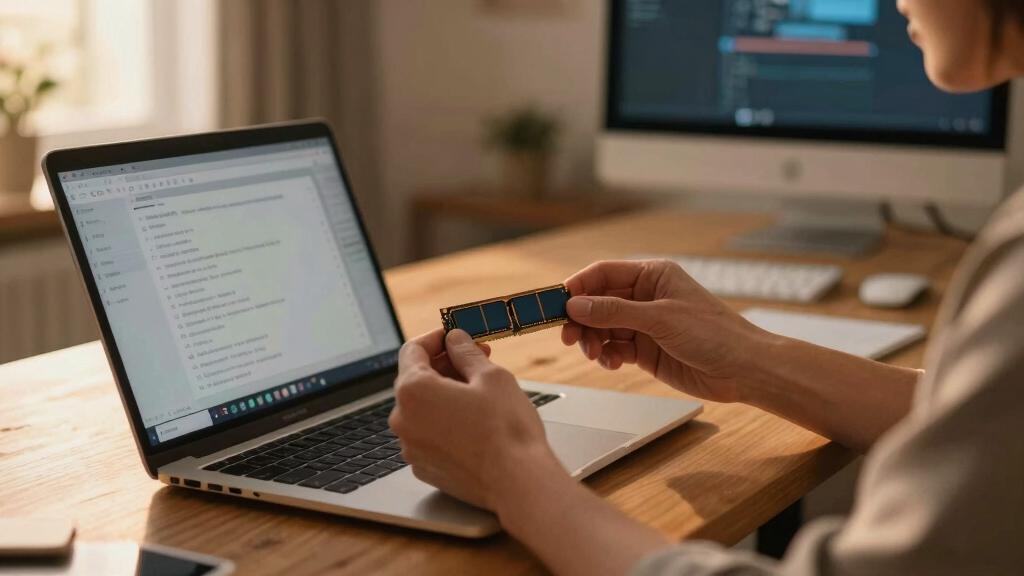
RAM prices have doubled or more in 2026, with consumer memory now the most expensive component in many PCs. This is due to a deliberate reallocation of chip capacity toward AI applications, not a temporary supply issue. The shortage is expected to persist into 2027.
RAM prices have more than doubled in 2026, with 32GB DDR5 kits now costing over $370, up from about $120 a year earlier, according to Tom’s Hardware. This surge has made memory the most expensive component in many PC builds, raising concerns among consumers and manufacturers alike.
The primary driver of this price increase is a fundamental shift in the global chip-making landscape. Three companies—Samsung, SK Hynix, and Micron—control nearly all of the world’s DRAM production. Instead of expanding capacity for consumer RAM, these firms are reallocating wafer capacity toward High Bandwidth Memory (HBM), a specialized, high-margin DRAM used in AI accelerators like Nvidia’s GPUs.
This shift means that a significant portion of wafer output—around 23%—is now dedicated to HBM, which is far less efficient in wafer area terms, effectively removing three to four times the amount of consumer DRAM from the market compared to the wafer dedicated to HBM. As a result, DRAM prices have risen roughly 90% in the first quarter of 2026 alone, with 64GB kits now routinely costing over $600, compared to $150–200 in 2025.
Market analysts note that this is not a typical memory cycle. Unlike past shortages, where prices fell after capacity was increased, this one is driven by a strategic industry choice to prioritize higher-margin AI hardware, making the shortage persistent and unlikely to self-correct soon.
Why your RAM bill doubled
“Doubled” is the polite version — consumer DRAM is running 3–6× its 2024 lows. The boom-bust cycle that always brought cheap RAM back isn’t coming this time, because the factories that make your RAM now make something far more profitable instead.
HBM
This is the quiet tax on the whole AI era. Relief isn’t forecast before 2028, and even then prices may settle 30–50% above pre-crisis levels. Buy what you genuinely need now; don’t panic-buy capacity you won’t use. You can’t out-wait the fab math — but, as this series will show, you can shrink what you need. Next: HBM Ate the Fab.
Impacts of AI-Driven Chip Capacity Reallocation
This development matters because it signals a fundamental change in the supply chain dynamics of memory components. Consumers face higher costs for PCs and peripherals, while manufacturers are adjusting their product lines and pricing strategies. The persistent shortage could influence broader technology adoption, enterprise AI deployment, and the future of consumer electronics pricing.
Furthermore, the concentration of market power among three firms, combined with long-term contracts and supply management strategies, limits the market’s ability to respond to demand spikes. This could lead to sustained high prices and supply constraints, impacting the entire tech ecosystem.
As an affiliate, we earn on qualifying purchases.
2026 Memory Market and Capacity Shift Background
Historically, memory shortages have been temporary, resolved by increasing manufacturing capacity, which flooded the market and lowered prices. However, in 2026, the industry is deliberately reallocating wafer capacity toward AI hardware—a high-margin, high-profit sector—rather than consumer RAM. This strategic shift is driven by the lucrative economics of HBM, despite its inefficiency, and is supported by long-term contracts with major buyers like hyperscalers.
Past industry behavior included collusion and price-fixing, but current explanations for the price surge focus on genuine wafer reallocation. The three dominant DRAM producers—Samsung, SK Hynix, and Micron—have not announced new capacity expansions for consumer RAM, instead prioritizing AI-related products. This has resulted in a supply-demand imbalance that is expected to persist into at least 2027–2028, with new fab expansions still years away.
“Our focus remains on enterprise and AI markets, which offer better margins and longer-term growth opportunities.”
— Micron spokesperson
As an affiliate, we earn on qualifying purchases.
Uncertainties About Market and Supply Dynamics
It remains unclear whether the current high prices are solely due to deliberate capacity reallocation or if there is any collusion or market manipulation involved. While no antitrust actions are reported this time, the market concentration and long-term contracts raise questions about competition and supply responsiveness. Additionally, the exact timeline for new capacity expansions remains uncertain, with fab ramp-up expected no earlier than 2027.
As an affiliate, we earn on qualifying purchases.
Future Outlook for RAM Prices and Industry Capacity
Industry experts expect RAM prices to remain elevated through 2026 and into 2027, with some relief only possible once new fabs are operational. Manufacturers may continue prioritizing high-margin AI memory, further constraining consumer RAM supply. Buyers should prepare for ongoing price volatility and potential shortages, especially as long-term contracts limit supply flexibility. Monitoring capacity expansion plans and market responses will be critical in the coming months.
As an affiliate, we earn on qualifying purchases.
Key Questions
Will RAM prices drop back to previous levels soon?
Not likely in the near term. The current capacity reallocation toward AI hardware is a strategic industry choice, and new capacity expansions are years away, so prices are expected to stay high through at least 2027.
Why are AI chips causing RAM shortages?
AI chips require high-bandwidth memory like HBM, which is less efficient in wafer area. Manufacturers are prioritizing HBM production for higher margins, reducing supply for consumer RAM.
Are there alternatives for consumers facing high RAM prices?
Options are limited. DDR4 remains available but is approaching end-of-life, and prices are comparable to DDR5. Long-term contracts and supply constraints mean alternatives may not significantly reduce costs soon.
Could increased capacity in the future alleviate the shortage?
Yes, but only once new fabs are operational, which is expected around 2027–2028. Until then, supply will remain constrained by strategic capacity choices.
Source: ThorstenMeyerAI.com
Fall Picks
fall essentials
As an affiliate, we earn on qualifying purchases.