📊 Full opportunity report: How Tailscale Fixed 16-Year SQLite Corruption on IdeaNavigator AI — validation score, market gap, and execution plan.

Get business pricing on tech for your team
- Business-only prices and quantity discounts
- Tax-exempt purchasing
- Multiple users, one account, clear invoices
TL;DR
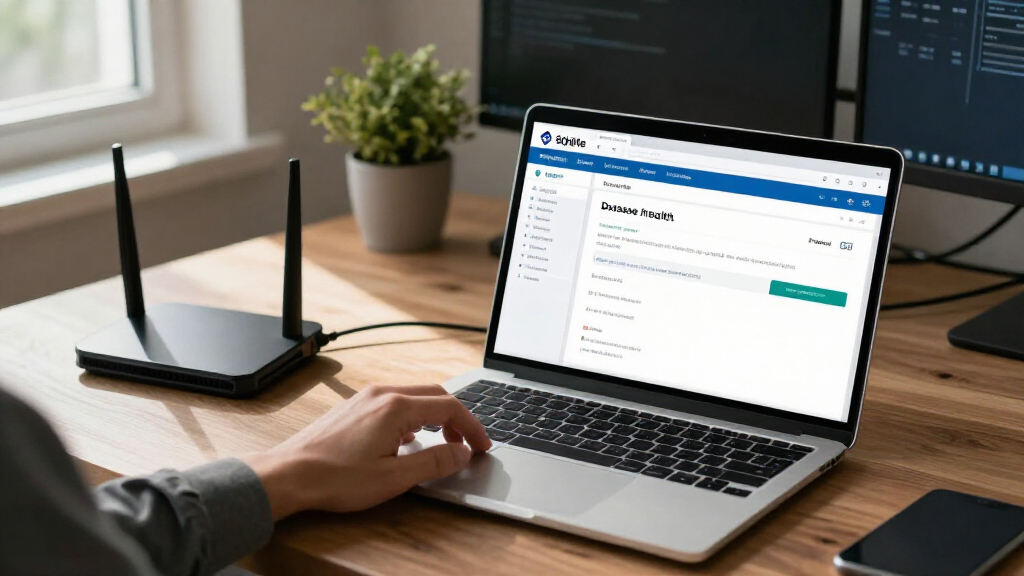
An IdeaNavigator AI item says Tailscale traced database corruption to a SQLite write-ahead log reset bug that dates back 16 years. The supplied details do not identify affected versions, the scope of impact, a fix, or Tailscale’s own public statement, so those points remain unverified here.
Tailscale traced database corruption to a SQLite write-ahead log (WAL) reset bug described in an IdeaNavigator AI item as dating back 16 years. The report identifies the suspected software cause, but the available details do not say which Tailscale products or versions were affected, how many users or databases were involved, or whether a fix has been released.
The reported development is a diagnosis: Tailscale is said to have traced corruption in a database to an old defect in SQLite’s WAL-reset behavior. SQLite is a database engine used in software applications; WAL is a mode for recording database changes in a log before those changes are incorporated into the main database. A defect around resetting that log can matter when software depends on the database remaining consistent.
The available account does not provide a technical incident report, affected-version list, reproduction steps, or a description of the data that was corrupted. It also does not state whether Tailscale independently confirmed the cause in a public post, whether SQLite maintainers have commented, or what actions users should take. The 16-year figure is part of the report’s description; no date for the original bug or supporting investigation details are supplied.
For now, the confirmed scope of this account is limited to the reported connection between Tailscale database corruption and an old SQLite WAL-reset bug. It should not be read as evidence that every SQLite user, every Tailscale installation, or all databases using WAL are affected.
How Tailscale Traced Database Corruption to an Old SQLite Bug
An IdeaNavigator AI item attributes the reported corruption to a SQLite write-ahead log reset bug. The affected versions, user impact and available fix remain unspecified.
What the report says
The item describes a reported diagnosis, not a complete incident record.
The item says Tailscale traced corruption in a database.
The suspected cause is an old defect in write-ahead log reset behavior.
No affected products, versions, database count or user impact are given.
Why WAL matters
SQLite is embedded in applications, and WAL records changes in a separate log before they reach the main database.
- A reported defect involving WAL reset behavior
- Database consistency may depend on correct log handling
- That all SQLite or WAL users are affected
- That the issue is remotely exploitable
What organizations need next
Administrators need official, version-specific details to assess exposure and response.
Affected releases
The account names no products or versions and gives no estimate of affected databases.
Fix or recovery
No update, workaround or data recovery guidance is provided.
Public technical details
The item includes no direct Tailscale statement, SQLite maintainer response or technical report.
Why Database Integrity Matters
Database corruption can affect whether an application can reliably read or update stored information. For a service such as Tailscale, which provides network connectivity software, the practical consequences would depend on what data was stored in the affected database and how the application handles corruption. Those details are not included in the report, so the incident’s user impact cannot yet be quantified.
The reported age of the bug also draws attention to a broader operational issue: software can rely on database libraries for years, and defects may be found only when a particular sequence of operations exposes them. That makes the distinction between a suspected root cause and a verified, scoped fix important for administrators. Security and IT teams would need version-specific guidance before deciding whether to update systems or take other action.
The item may be useful as an early signal for small and midsize organizations, but it does not itself provide enough information to establish an exposure or prescribe a response. The immediate value is awareness of a reported failure mode; the next useful step is confirmation from Tailscale or SQLite with clear impact and remediation details.
Products Worth Considering

Samsung Odyssey G55C 32-Inch QHD 1000R Curved Gaming Monitor

Logitech MX Master 4 Ergonomic Wireless Mouse with Haptic Feedback, Graphite

DJI Mic Wireless Lavalier Microphone System with 2 Transmitters, 1 Receiver, and Charging Case
As an affiliate, we earn on qualifying purchases.
SQLite WAL and the Reported Bug
SQLite is an embedded database engine commonly incorporated into applications rather than operated as a separate database server. In write-ahead logging mode, database changes are recorded in a separate log. The mechanism is designed to support database operations, but software still depends on correct handling of the log and its reset or checkpointing behavior.
The IdeaNavigator AI item frames the Tailscale development as a security-operations signal: an emerging technical disclosure that could warrant attention from organizational security leads. It assigns the item an 88/100 signal score, but gives no scoring method, comparison baseline, or evidence that the score reflects a measured threat level. That number is an editorial signal in the item, not an established assessment of severity.
No prior Tailscale incident timeline, named SQLite issue, public advisory, or patch information is provided. Without those details, the report supports a concise account of the claimed diagnosis, not a full reconstruction of the engineering investigation.
Impact and Fix Remain Unspecified
The extent of corruption is unknown. The available account does not identify affected releases, the number of installations or databases involved, whether data was lost or recoverable, or whether customers experienced service disruption. It does not say whether the defect could be triggered remotely or required a particular local operating condition; no security exploitability claim can be drawn from the information given.
It is also unclear whether Tailscale has issued a fix or workaround, whether users need to upgrade, and whether the underlying SQLite defect has been corrected upstream. The report does not include a direct statement from Tailscale, an SQLite maintainer, or a named researcher. Until more detailed statements are available, the reported causal link should be treated as an attributed account rather than a complete, independently documented incident record.
Watch for Version-Specific Guidance
The most useful next development would be a Tailscale technical advisory identifying the affected products and versions, describing the conditions that led to corruption, and stating whether an update or recovery procedure is available. Any SQLite issue record or maintainer response could help clarify whether the reported defect is library-wide or tied to a particular integration or usage pattern.
Administrators should look for official, version-specific recommendations before changing systems based solely on this brief. If Tailscale publishes remediation details, organizations can compare their installed versions against the advisory and follow its recovery instructions. No release date, investigation update, or remediation schedule is given in the available account.
Source: IdeaNavigator AI
Key Questions
What did Tailscale reportedly find?
The IdeaNavigator AI item says Tailscale traced database corruption to a SQLite WAL-reset bug described as 16 years old. It does not provide a technical report or details of the investigation.
Which Tailscale users or versions are affected?
The affected versions and users are not specified. The account gives no product list, version range, or estimate of how many databases were involved.
Has Tailscale released a fix?
The available information does not say whether Tailscale released an update, workaround, or recovery procedure. Users should look for official Tailscale guidance for their installed version.
Does this mean all SQLite databases are at risk?
No such conclusion is supported by the report. It does not establish that all SQLite users or all databases using WAL are affected; the relevant versions and conditions remain unclear.
Source: IdeaNavigator AI