
🔍 Read the full analysis: How To Select Smart Home Devices With Useful AI Features on ThorstenMeyerAI.com

Get business pricing on tech for your team
- Business-only prices and quantity discounts
- Tax-exempt purchasing
- Multiple users, one account, clear invoices
TL;DR
A guide from ThorstenMeyerAI.com outlines how beginners can choose and set up a small smart home system, starting with a low-risk device and checking platform, network and hub compatibility. It recommends reviewing privacy settings and account security, and says AI capabilities differ by device; the source’s product recommendations are editorial judgments, not independently verified performance findings.
ThorstenMeyerAI.com has published a beginner’s guide to selecting and setting up smart home devices with AI features, advising readers to check compatibility, secure their accounts and review how devices handle personal data before enabling automation. The guide focuses on a small system built around items such as a smart speaker, lights, a thermostat or a plug, and estimates setup will take 45 to 90 minutes, depending on the devices and required updates.
The guide recommends choosing one low-risk task to start, such as controlling a lamp, before adding equipment that could affect safety or access, including locks, alarms or heaters. It says buyers should verify each model’s supported platform, Wi-Fi band, hub requirements and regional compatibility. Some devices require a 2.4 GHz Wi-Fi network or a particular hub; voice control alone does not mean a product supports every routine or AI feature in a platform.
For setup, users need a phone or tablet, the manufacturer’s official app, a compatible device and access to home Wi-Fi. The guide advises using a unique account password, enabling multifactor authentication when offered and installing app, device and router updates through official channels. Once paired, devices should be given distinct names and assigned to the correct rooms so voice commands and routines are less likely to target the wrong item.
It also urges readers to inspect settings for voice recordings, activity history, data sharing and cloud processing, then disable features they do not need. For cameras and microphones, it recommends checking when recording or listening is active and learning how to pause it. The source’s product verdicts favor Hubitat for local, multi-protocol automation and AI-assisted routine building, SwitchBot for camera-aware chat-based control, and Green as a local automation base. These are the publisher’s recommendations; the supplied material does not provide comparative test results.
Compatibility and Privacy Shape AI Use
AI features can make connected devices easier to control, but their usefulness depends on more than a product label. A device must work with the household’s network, hub and chosen platform, and its advertised features may not include every automation a user expects. Checking exact model requirements before purchase can reduce setup failures and avoid paying for capabilities that are unavailable in a particular configuration.
Privacy and security choices also affect how comfortable a household can be with automation. The guide notes that some devices process commands locally, while others send voice, sensor or usage data to cloud services. Reviewing controls, limiting account access and understanding camera or microphone behavior gives users a clearer basis for deciding which features to enable. Starting with a lamp keeps early troubleshooting separate from devices with potential safety or access consequences.
Products Worth Considering

DJI Mic 2 Wireless Microphone System with 2 Transmitters, 1 Receiver, and Charging Case
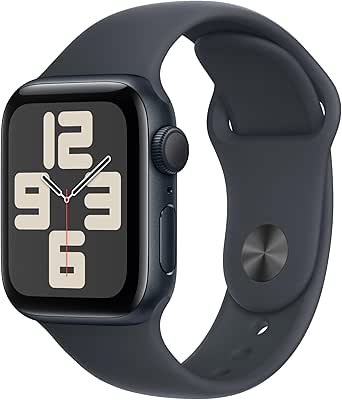
Apple Watch SE (2nd Generation) GPS 40mm Smartwatch with Midnight Aluminum Case and Midnight Sport Band (S/M)

Jackery Explorer 1000 v2 Portable Power Station, 1024Wh LiFePO4 Battery
As an affiliate, we earn on qualifying purchases.
A Small-System Setup Guide
The source presents practical setup instructions rather than new product testing or a technical evaluation of AI systems. Its intended reader is a beginner assembling a modest smart home using a phone and home Wi-Fi. It describes the work as beginner-level and estimates 45 to 90 minutes, while noting that the time depends on the number of devices and whether apps need updates.
The steps cover compatibility checks, account and router security, official app installation, firmware updates, pairing, room assignment and privacy settings. The supplied source material ends partway through its final setup step, so it does not establish the complete set of instructions beyond the privacy and permissions advice provided. It also includes affiliate links and discloses that the publisher may earn commissions from qualifying Amazon purchases.
“We recommend Hubitat as the best overall choice when local, multi-protocol automation and subscription-free AI-assisted routine building matter more than beginner-friendly setup.”
— ThorstenMeyerAI.com, on Hubitat
AI Features and Data Practices Vary
The source does not specify a publication date, provide independent testing or document how the recommended products compare on accuracy, reliability, privacy or cost. It does not identify the exact models or versions behind its product verdicts, so capabilities may differ by model. Its descriptions of local processing, subscriptions and AI-assisted routines should be checked against current manufacturer documentation before purchase.
It is also unclear which devices or platforms the guide’s recommendations were tested with, and whether the products work together in every configuration. The guide notes that cloud processing varies by device, but does not name the data collected by each product or explain retention periods. Readers should consult the relevant privacy policies and settings for their exact devices.
Check Model Details Before Buying
Before purchasing, readers should compare the exact model’s feature list with their intended use, confirm its platform and network requirements, and check whether a hub or subscription is needed. After setup, they can test a simple routine and confirm that the device responds as expected before connecting more consequential equipment.
For any camera, microphone or sensor-based automation, the next step is to review the manufacturer’s current privacy controls and account options. The supplied guide does not announce a follow-up test or product update, so no further milestone is confirmed.
Key Questions
How long does the guide say setup takes?
ThorstenMeyerAI.com estimates 45 to 90 minutes, depending on how many devices are added and whether apps need updates.
What should I check before buying a smart home device?
Check the exact model’s platform, hub, Wi-Fi band and regional compatibility. Also verify that it supports the specific AI or automation feature you want; voice control does not guarantee support for every routine.
Does every device process AI commands in the cloud?
No. The guide says some devices process commands locally, while others send voice, sensor or usage data to a cloud service. The handling varies, so check the model’s privacy settings and manufacturer documentation.
Which products does the source recommend?
The publisher favors Hubitat for local, multi-protocol automation and AI-assisted routines, SwitchBot for camera-aware chat control subject to its limits, and Green as a local automation base. These are editorial recommendations, and the supplied material does not include comparative test results.
Source: ThorstenMeyerAI.com