
🔍 Read the full analysis: The Image-Free Rendering Behind KIRIN EXPRESS’s Floating-Seam Journey on ThorstenMeyerAI.com

Get business pricing on tech for your team
- Business-only prices and quantity discounts
- Tax-exempt purchasing
- Multiple users, one account, clear invoices
TL;DR
KIRIN EXPRESS is a fictional maglev-train exhibition page, not a real rail service or commercial product. Its designer uses browser-drawn visuals, a glowing seam representing the train’s 10-centimetre levitation gap, and scroll-linked interactions to present an imagined journey at 603 km/h.
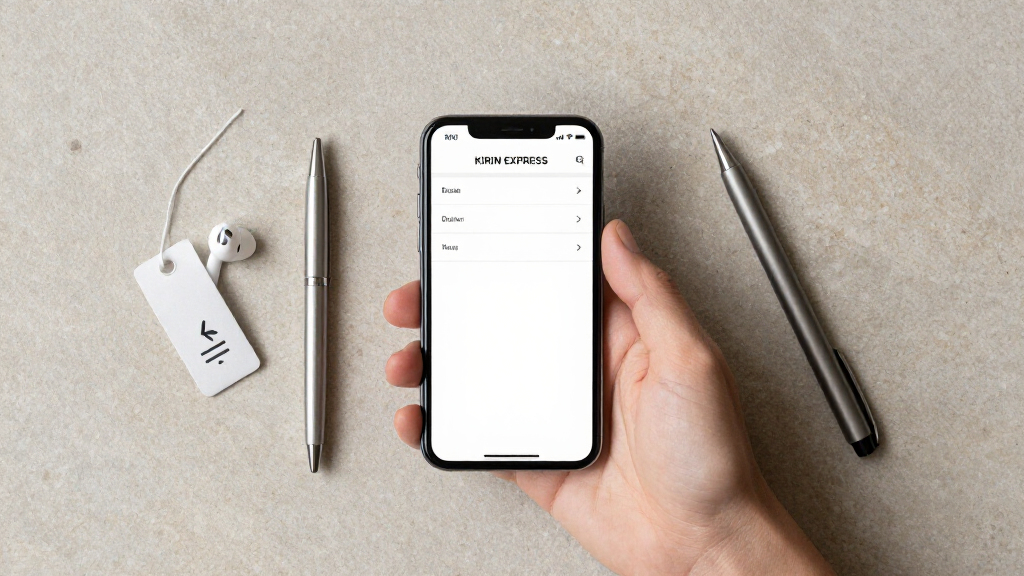
KIRIN EXPRESS, an interactive online exhibition about a fictional maglev train travelling at 603 km/h, builds its visual identity around the 10-centimetre gap between the train and its guideway. The page uses no photographs or video: its train, scenery, instruments and motion effects are drawn in the browser, making the experience a design showcase rather than information about an operating rail service, as detailed in the original analysis.
The project turns the train’s imagined levitation gap into both a visual motif and a navigation device. Panels appear to hover above cool, restrained shadows, while a luminous vertical seam runs through the page. The palette combines porcelain white and cool grey with deep indigo; soft sakura pink is used sparingly. The design description identifies Zen Kaku Gothic New for headings and main text, and IBM Plex Mono for measurements, times and controls.
Visitors move through invented stations by scrolling. According to the project notes, the JavaScript function updateJourney() measures each station’s distance from the centre of the viewport, then adjusts blur and speed effects so the closest stop comes into focus. A canvas draws up to 72 horizontal motion lines behind the content, with their length and pace responding to scrolling. The animation is limited to the relevant page area and pauses when the browser tab is hidden; a reduced-motion setting substitutes a still presentation.
Other controls extend the fictional journey. A departure console stages a 20-second sequence from platform preparation to levitation and acceleration. One progress value links its circular instrument with a miniature train. A guideway cross-section lets visitors switch between magnetic attraction and repulsion, while a field-test control sends a bright pulse along the seam. A dusk slider changes the simulated view outside the train windows, including the lighting, sun position and city illumination.
The Image-Free Rendering Behind KIRIN EXPRESS’s Floating-Seam Journey
A fictional maglev journey turns a 10-centimetre levitation gap into a visual system. Browser-drawn scenery, scroll-linked motion and a glowing seam make the page an interactive design showcase—not a real rail service or product.
A physical gap shapes the interface
The space under the fictional train becomes both a recurring image and a practical organizing rule for the page.
The floating seam
A luminous vertical line echoes the 10-centimetre gap. Hovering panels and restrained shadows reinforce the sense of suspension.
Quiet contrast
Porcelain white, cool grey and deep indigo establish the base; sakura pink appears sparingly. The described type system pairs Zen Kaku Gothic New with IBM Plex Mono.
Drawn in the browser
CSS, JavaScript and canvas create the train, scenery, instruments and motion effects without photographs or video.
Scroll becomes the journey
Visitors pass through invented stations as the page connects proximity, focus and motion to their scroll position.
Scroll
The viewport moves through the exhibition’s imagined route.
Find the stop
updateJourney() measures each station’s distance from the viewport centre.
Shift focus
The nearest station sharpens while blur and speed effects adjust.
Draw motion
Canvas adds up to 72 horizontal lines whose pace and length respond to scrolling.
More than a moving backdrop
Project notes describe staged controls and motion safeguards as part of the intended experience.
Departure console
A staged progression moves from platform preparation to levitation and acceleration. One progress value links the circular instrument to a miniature train.
Guideway & seam
A cross-section switches between magnetic attraction and repulsion. A field-test control sends a bright pulse along the floating seam.
Dusk slider
The simulated view through the train windows shifts with the slider, including lighting, sun position and city illumination.
Targets are not test results
The supplied project material explains the intended build, while leaving several outcomes unverified.
A fictional exhibition piece
KIRIN EXPRESS is identified as room 129 of 175 in an online exhibition. The train, stations and 603 km/h journey belong to its imagined premise.
Three-pass process
The notes describe building around one physical rule, critiquing layouts and interactions, then conducting an art-director review. They do not identify who performed the passes.
No independent validation
No user research, measured performance results, or independent accessibility and browser-compatibility tests are included in the supplied material.
Key questions
The live room and design guide are the next places to inspect the experience and its build notes directly.
Is KIRIN EXPRESS a real train service?
No. The source describes a fictional exhibition project, not an operating rail service or commercial product.
What does 603 km/h mean?
It is the stated speed in the fictional premise, not a measured speed for an existing train.
How are the visuals made?
The project says the train, scenery, instruments and motion are drawn in the browser rather than supplied as photographs or video.
What changes as visitors scroll?
Nearby invented stations come into focus while blur, speed effects and canvas motion lines respond to scroll position.
Are accessibility and performance targets verified?
No independent results are provided. The brief sets targets for screen widths, tap areas, contrast, reduced motion and animation performance.
What is known about its release?
The supplied material gives no publication date, creator attribution, update schedule or next exhibition milestone.
A Physical Gap Shapes the Interface
The project’s main design idea is that a technical feature can organize an entire digital experience. Rather than using familiar photographs of trains or tracks, KIRIN EXPRESS takes the 10-centimetre gap as a rule for its layout, shadows, motion and controls. That gives visitors a consistent visual cue for an otherwise imaginary vehicle and links the page’s appearance to its interactive elements.
Its image-free approach also makes the page a practical example of how CSS, JavaScript and canvas can create a layered visual presentation without photographic or video assets. The source does not provide independent performance measurements or evidence about how users respond, so the described responsiveness and motion safeguards should be understood as implementation details, not verified outcomes across devices.
As an affiliate, we earn on qualifying purchases.
Inside the 175-Room Exhibition
The source identifies KIRIN EXPRESS as room 129 of 175 in an online exhibition. It explicitly says the train is an AI-built exhibition piece, not a real rail operator or a product from an actual company. Its stated premise is an intercity maglev journey at 603 km/h, with invented station names and scenery used to give the page a sense of travel.
The project notes describe a three-pass production process: build the experience around one physical rule, critique it across layouts and interactions, then review it in an art-director pass. An accompanying design guide documents the visual system, interaction logic, motion safeguards and asset-free approach. The supplied material does not identify the people who carried out those passes or provide independent documentation of the review process.
“A train designed around the space beneath it.”
— KIRIN EXPRESS project description
interactive train simulation software
As an affiliate, we earn on qualifying purchases.
As an affiliate, we earn on qualifying purchases.
What the Project Notes Do Not Verify
The supplied material describes how the experience is intended to work but does not include independent testing, user research, or measured results for performance, accessibility or browser compatibility. It also does not give a publication date, identify the project’s creator, or provide evidence that every described control has been checked on the live site. The stated train speed and service are part of the fictional premise, not claims about a real transport system.
The brief sets targets for three screen widths, minimum tap areas, contrast, reduced-motion behavior and animation performance. Those are design requirements; the source material alone does not establish that each target was measured or passed. It also refers readers to the live room and a design guide, but provides no independent assessment of either.
As an affiliate, we earn on qualifying purchases.
The Live Room and Design Guide
The project description directs readers to open the live room in a browser and consult its design guide for fuller build notes. No launch date, future release, update schedule or next exhibition milestone is stated in the supplied material. The next step available to readers is to inspect the experience and documentation directly, while treating the speed, train and journey as elements of a fictional showcase.
As an affiliate, we earn on qualifying purchases.
Key Questions
Is KIRIN EXPRESS a real train service?
No. The source describes it as a fictional maglev exhibition piece, not a real rail operator or commercial product.
What does the 603 km/h figure refer to?
It is the stated speed in the project’s fictional premise. The material does not present it as a measured speed for an existing train.
How does the page create its visuals?
The project says vehicle forms, scenery, instruments and motion are drawn in the browser, using code rather than photographs or video.
What happens when visitors scroll?
Scroll position affects the journey presentation: nearby invented stations sharpen into focus, while speed and blur effects change. A canvas adds horizontal motion lines that respond to scrolling.
Does the source confirm the page meets its accessibility and performance targets?
No independent test results are included. The brief specifies targets such as reduced-motion support, contrast and tap-area sizing, but the supplied material does not verify that each was measured or passed.
Source: ThorstenMeyerAI.com
Halloween Picks
halloween
As an affiliate, we earn on qualifying purchases.