📊 Full opportunity report: Toyota, Nissan, And Honda Target Efficiency Through Parts Alignment on IdeaNavigator AI — validation score, market gap, and execution plan.

Get business pricing on tech for your team
- Business-only prices and quantity discounts
- Tax-exempt purchasing
- Multiple users, one account, clear invoices
TL;DR

IdeaNavigator AI identifies a development described as Toyota, Nissan and Honda standardizing parts to lower costs. The material provides no company statements, implementation details, timetable or specific components, so the scope and status of the reported effort remain unverified.
Toyota, Nissan and Honda are described in an IdeaNavigator AI automotive-retail brief as targeting lower costs through parts standardization. The brief does not provide company announcements, identify which parts are involved or give a timetable, leaving the reported plan’s scope and status unconfirmed.
The development is presented as an effort by three Japanese automakers to align parts for cost reduction. However, the available information does not say whether the companies have agreed to a joint program, are discussing common specifications or have already begun changing components. It also does not identify particular vehicles, markets, suppliers or manufacturing facilities.
No figures are provided for expected savings, investment, production volumes or the number of parts that could be shared. There are also no statements from Toyota, Nissan or Honda in the brief. The reported cost objective should therefore be treated as a description of the development, not as a quantified or company-confirmed outcome.
IdeaNavigator AI frames the item as a signal that could matter to independent dealership and auto-shop owners or sales leads. That is an assessment of potential relevance, rather than evidence that businesses have already changed purchasing, repair or sales decisions in response.
Three automakers target efficiency through parts alignment
Toyota, Nissan and Honda are described as seeking lower costs through parts standardization. The available brief does not confirm a joint program or its scope.
What is reported
The brief describes an effort to align parts, but does not establish whether it is agreed, proposed or underway.
Toyota, Nissan and Honda
The three companies are named in the reported cost reduction effort.
Lower costs
No savings estimate or company-confirmed outcome is provided.
What businesses need to know
Dealers and repair shops need component and model details before judging any operational impact.
No company statements are included to verify an agreement.
Components, models, markets and timing are unspecified.
Compatibility, supply and repair costs cannot yet be inferred.
Read the signal score carefully
The score describes how the monitoring concept surfaced the item; its method and comparison basis are not supplied.
- IdeaNavigator AI reports a Hacker News signal score.
- The item was flagged as potentially relevant to automotive retail.
- Company confirmation or program status.
- Industry-wide discussion or business action.
Potential Effects on Repair and Parts
If the three automakers do align components, the practical effects would depend on which parts are standardized and how widely the changes apply. Common components could affect vehicle manufacturing costs and, depending on supply and compatibility, parts availability or sourcing for dealers and repair shops. Those outcomes are possibilities, not established results of the information currently available.
For independent businesses, the distinction between shared specifications and interchangeable parts matters. A component built to a common standard is not necessarily suitable across different models, years or brands. Until the participating companies identify the parts and vehicles involved, repairers cannot reliably infer changes to inventories, service procedures or customer costs.
The wider business rationale is straightforward: automakers may seek savings by coordinating component design or procurement. But no evidence here establishes the expected financial benefit, whether any savings would reach consumers, or whether the reported alignment would change competition among the brands. Those questions require details from the companies or subsequent reporting.
Products Worth Considering

Amazon Kindle Scribe (16GB) with Premium Pen, Tungsten

DJI Mic 2 Wireless Microphone System with 2 Transmitters, 1 Receiver, and Charging Case
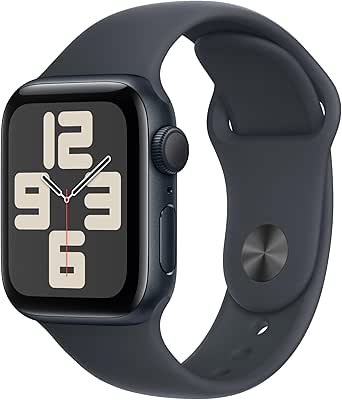
Apple Watch SE (2nd Generation) GPS 40mm Smartwatch with Midnight Aluminum Case and Midnight Sport Band (S/M)
As an affiliate, we earn on qualifying purchases.
A Retail Signal, Not a Company Notice
The item appears within an IdeaNavigator AI concept for an automotive retail signal monitor. The proposed service would track feeds for vehicle launches, recalls and regulation, then filter developments for independent dealerships and auto shops. It would turn relevant items into short briefs covering what changed, why it matters and possible actions.
The brief says Hacker News surfaced the item with a signal score of 88 out of 100. That is a score attributed to the monitoring concept; no scoring methodology, underlying discussion, publication date or comparison baseline is supplied. It does not independently confirm the automakers’ plans or indicate how widely the item was discussed.
IdeaNavigator AI proposes validating the monitor by delivering this brief and two other automotive developments to five people matching its target audience, then checking whether any change a decision or forward an item to a colleague. This describes a proposed test, not completed research or evidence that dealership operators have acted on the parts-alignment report.
Scope and Company Confirmation
The central unanswered question is whether the three companies have formally agreed to standardize parts, or whether the wording summarizes an early-stage proposal or discussion. The available brief does not link to company releases, regulatory filings, named executives or other primary documentation.
It is also unclear which parts might be affected, whether the effort would cover all three brands or selected models, and whether it would apply globally or only in particular markets. No start date, supplier participation, savings estimate or consumer-price effect is specified. Without those details, claims about repair compatibility, inventory needs or lower vehicle prices would be premature.
The brief also does not clarify what event or report led to the item being flagged, or when it occurred. The stated signal score cannot resolve those gaps because its basis and time window are not provided. Confirmation and additional detail from the automakers would be needed to establish what is planned and how far it has progressed.
Details Needed From Automakers
The next useful development would be a statement or document from Toyota, Nissan or Honda describing whether a parts-alignment program exists. Readers would need specifics on components, affected models, markets and timing to judge whether it has implications for production, parts supply or repair work.
Independent dealers and repair shops should wait for model-level and component-level information before making inventory or service decisions based on the brief alone. If the companies confirm the effort, follow-up reporting can assess whether suppliers are involved, whether parts are genuinely interchangeable and whether any cost reductions are documented.
IdeaNavigator AI’s proposed audience test is a separate next step for its monitoring product: it calls for sharing this item alongside two other automotive developments with five dealership or shop decision-makers and measuring whether they act on or circulate the information. No results from that test are included.
Source: IdeaNavigator AI
Key Questions
What is the reported development?
The item describes Toyota, Nissan and Honda as targeting lower costs by standardizing parts. The available brief does not establish the program’s details or confirm it through company statements.
Which parts or vehicles would be affected?
That has not been specified. The brief identifies no components, models, model years, production sites or markets.
Have the automakers confirmed the plan?
No company confirmation is included in the available information. Whether this is a formal agreement, a proposal or an early-stage discussion remains unclear.
Could this change costs for independent repair shops?
It is too early to tell. Any effect would depend on the parts involved, their availability and whether they are compatible across particular vehicles. No savings or repair-cost estimates are provided.
What is the 88/100 signal score?
IdeaNavigator AI says Hacker News surfaced the item with a score of 88 out of 100. The brief gives no scoring method or comparison basis, so the score should not be read as confirmation of the reported plan.
Source: IdeaNavigator AI